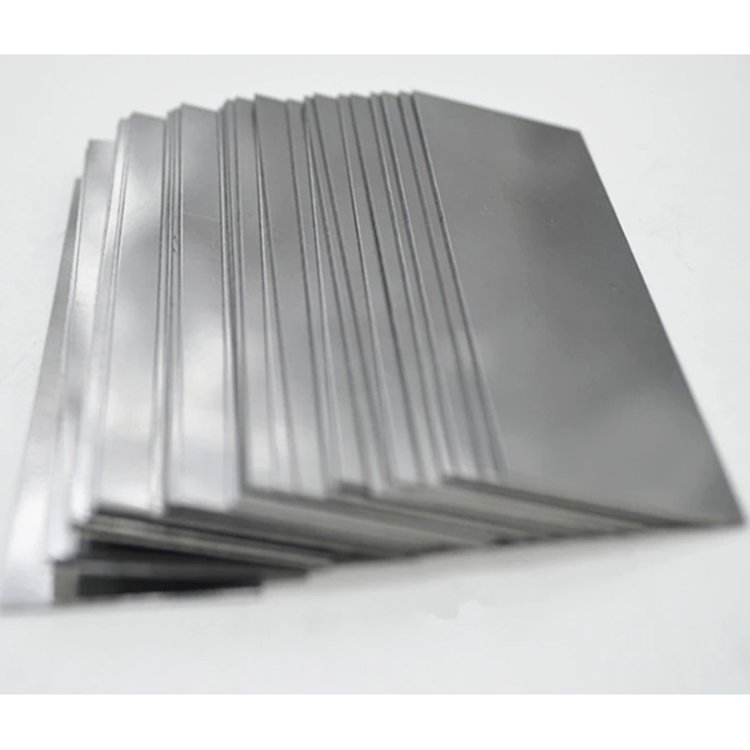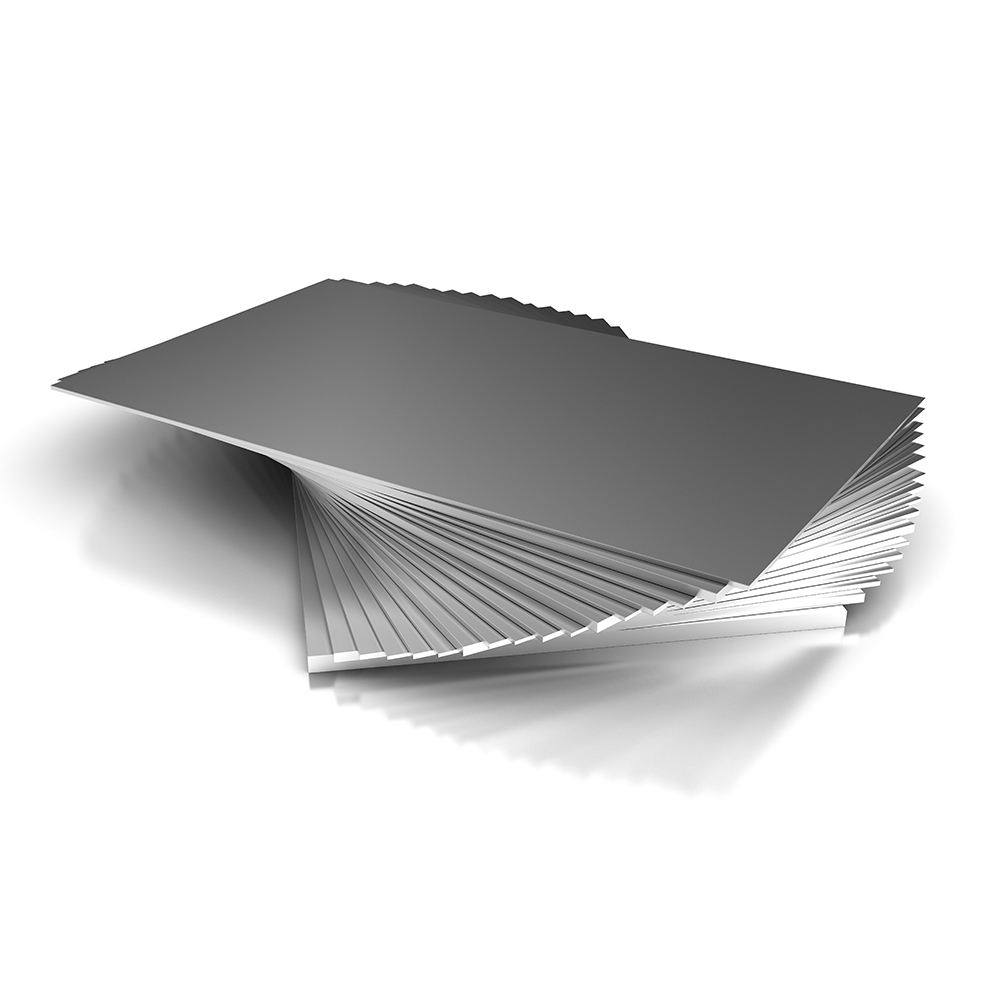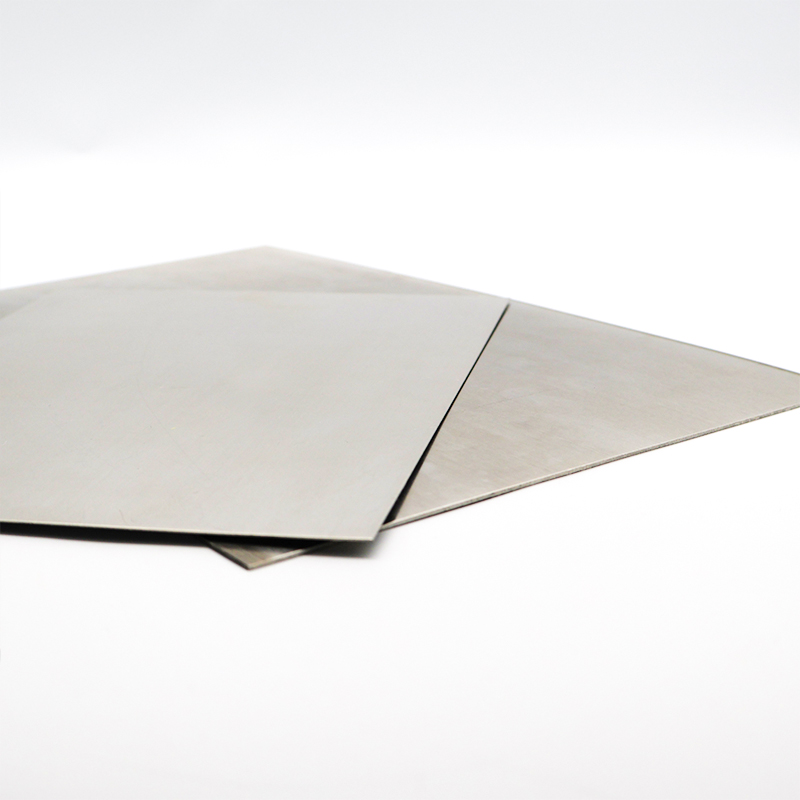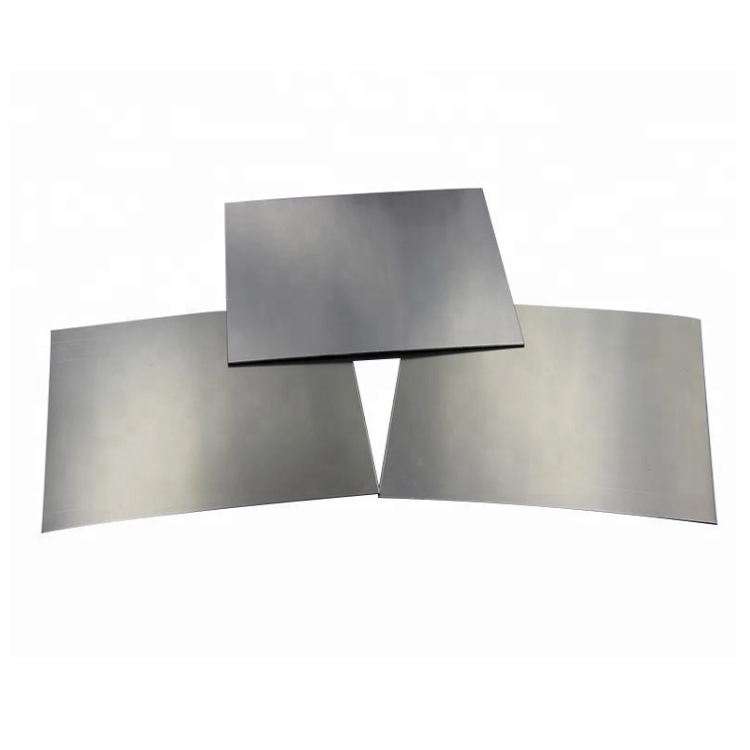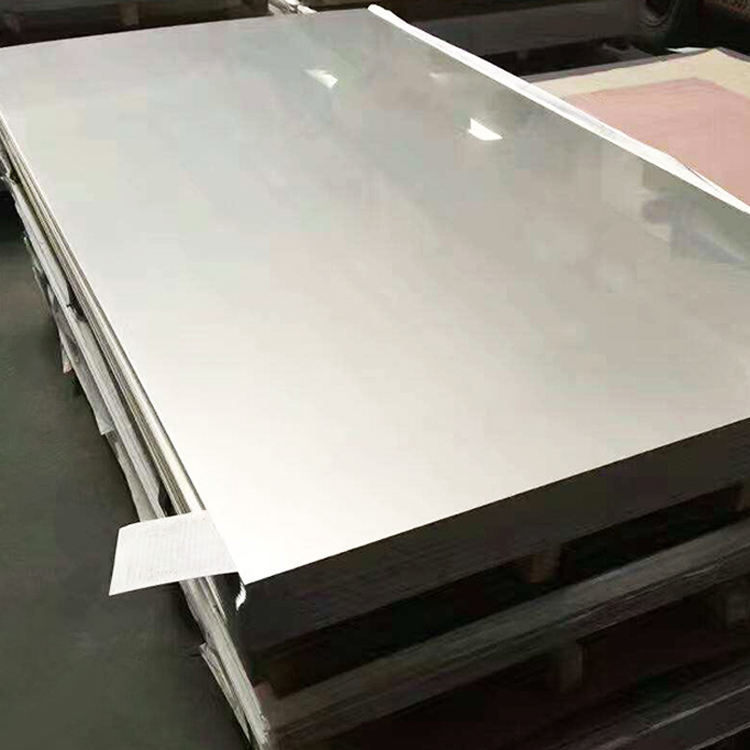
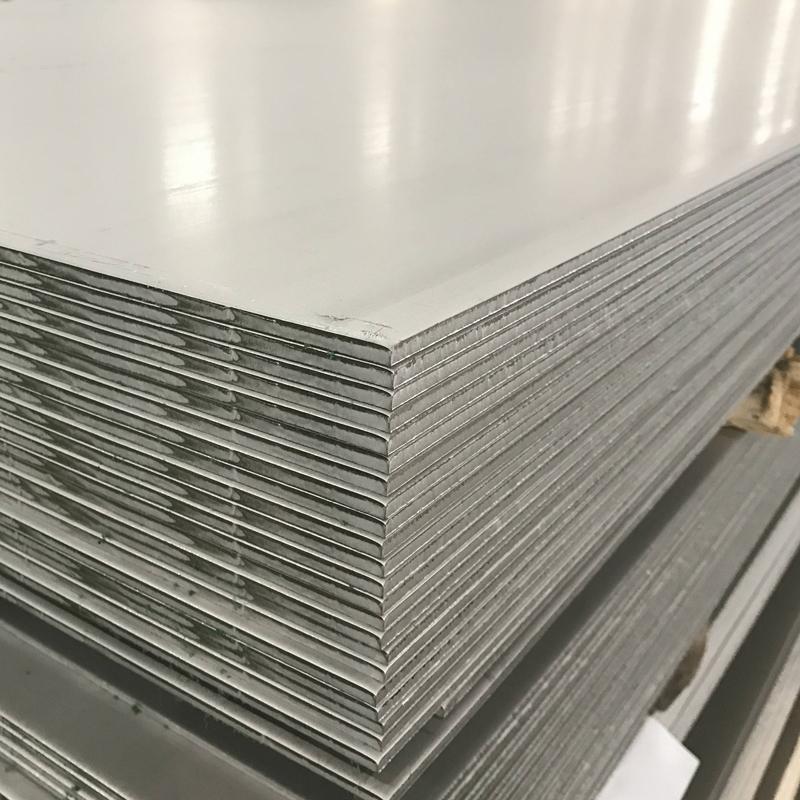
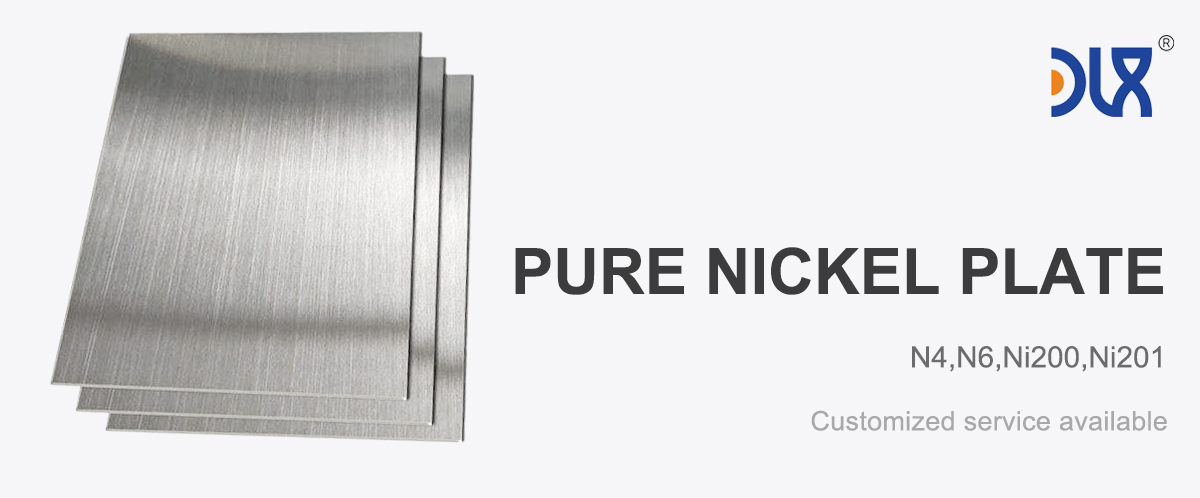
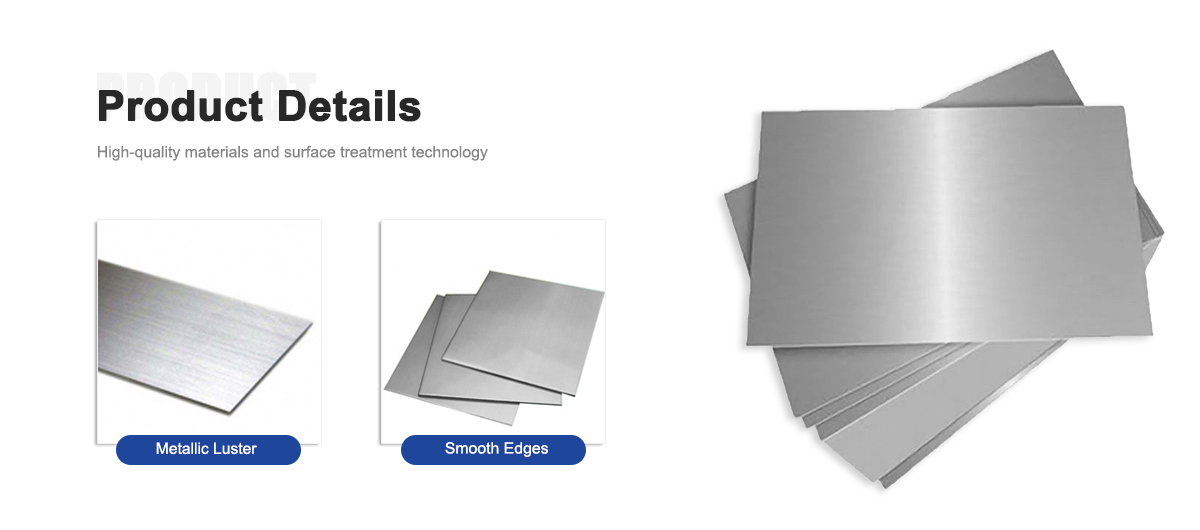
Low Carbon Nickel 201 Plate is a commercially pure wrought nickel material with controlled carbon content, specifically designed for high-temperature and hydrogen-rich service environments. Compared with standard Nickel 200 , Nickel 201 features significantly lower carbon content, which prevents embrittlement when exposed to temperatures above 315°C (600°F).
At DLX, we manufacture Low Carbon Nickel 201 Plate with strict chemical composition control, stable mechanical properties, and precise thickness tolerance. Our plates are widely used in chemical processing, hydrogen generation systems, caustic handling equipment, and heat exchangers operating under severe corrosion and thermal stress conditions.
Nickel 201 is particularly suitable for applications requiring excellent resistance to alkalis, neutral salts, and reducing acids, while maintaining structural integrity in elevated temperature environments.
For more details, pls directly contact us.
Chemical Composition
| Grade | Nickel (Ni)+ Cobalt (Co) | Copper (Cu) | Silicon (Si) | Manganese (Mn) | Carbon (C) | Magnesium (Mg) | Sulfur (S) | Phosphorus (P) | Iron (Fe) |
| 99.9% | ≤0.015 | ≤0.03 | ≤0.002 | ≤0.01 | ≤0.01 | ≤0.001 | ≤0.001 | ≤0.04 | |
| 99.6% | 0.1 | 0.1 | 0.05 | 0.1 | 0.1 | 0.005 | 0.002 | 0.1 |
Physical & Mechanical Properties
| Grades | N4/Ni201 | N6/Ni200 |
| Density | 8.9g/cm³ | 8.9g/cm³ |
| Melting Point | 1455°C | 1445-1470℃ |
| Coefficient of Thermal Expansion | 13.0µm/m·°C | 13.3×10⁻⁶/℃ |
| Thermal Conductivity | 10.1W/m·K | 90.7 W/m·K |
| Electrical Resistivity | 0.103×10⁻⁶Ω·/m (at 20℃) | |
| Electrical Conductivity | 14.6% IACS | |
| Tensile Strength | ≥450MPa | ≥450 MPa |
| Yield Strength | ≥200MPa | ≥150 MPa |
| Elongation at Break | ≥40% | ≥40% |
| Hardness | ≤150 |
For more details, pls directly contact us.
| Element | Content (%) |
|---|---|
| Nickel (Ni) | ≥ 99.0 |
| Carbon (C) | ≤ 0.02 |
| Manganese (Mn) | ≤ 0.35 |
| Iron (Fe) | ≤ 0.40 |
| Silicon (Si) | ≤ 0.35 |
| Copper (Cu) | ≤ 0.25 |
| Sulfur (S) | ≤ 0.01 |
Low carbon content is the key feature that allows Nickel 201 to avoid graphitization at elevated temperatures.
Mechanical Properties (Annealed Condition)
| Property | Typical Value |
|---|---|
| Tensile Strength | 380 – 550 MPa |
| Yield Strength (0.2%) | ≥ 100 MPa |
| Elongation | ≥ 40% |
| Hardness | ≤ 90 HRB |
| Melting Point | 1435 – 1446°C |
Why Low Carbon Nickel 201 for High-Temperature & Hydrogen Service?
Superior resistance to hydrogen embrittlement
Excellent performance in caustic soda environments
Stable microstructure above 600°F
Good thermal conductivity
Outstanding ductility and formability
Excellent weldability
Nickel 201 maintains corrosion resistance in reducing environments and resists caustic cracking, making it ideal for hydrogen production and chemical reactors.
Typical Applications
1. Hydrogen Production Systems
Nickel 201 plate is commonly used in electrolyzers, hydrogen reformers, and hydrogen purification units due to its resistance to hydrogen attack and stress corrosion cracking.
2. Caustic Soda Production
Used in evaporators, heat exchangers, and storage tanks in sodium hydroxide plants.
3. Chemical Processing Equipment
Suitable for reactors, pressure vessels, and piping handling reducing acids and alkaline solutions.
4. Heat Exchangers
Its high thermal conductivity makes it effective in heat transfer applications.
5. Food and Pharmaceutical Processing
Thanks to its purity and corrosion resistance.
Industry Trends
The demand for Nickel 201 plate is growing steadily due to several global trends:
• Expansion of hydrogen energy infrastructure
• Increasing chemical processing capacity in developing markets
• Growth in caustic soda production
• Shift toward corrosion-resistant materials for longer equipment life
Hydrogen energy in particular is pushing demand for high-purity nickel materials that can operate reliably under high-temperature and hydrogen-rich conditions.
Manufacturers are now focusing more on low-carbon grades like Nickel 201 instead of Nickel 200 for elevated temperature applications.
Comparison: Nickel 201 vs Standard Nickel 200
| Feature | Nickel 201 | Nickel 200 |
|---|---|---|
| Carbon Content | ≤ 0.02% | ≤ 0.15% |
| High Temp Stability | Excellent | Limited above 315°C |
| Graphitization Risk | Very Low | Possible |
| Hydrogen Service | Preferred | Conditional |
| Cost | Slightly Higher | Slightly Lower |
For high-temperature and hydrogen environments, Nickel 201 is clearly the safer and more stable option.
For more details, pls directly contact us.
About Us:
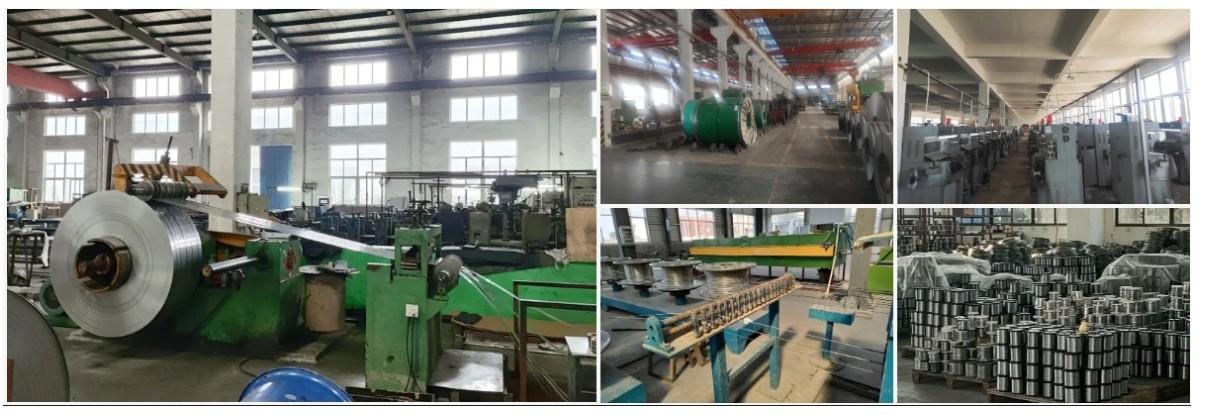
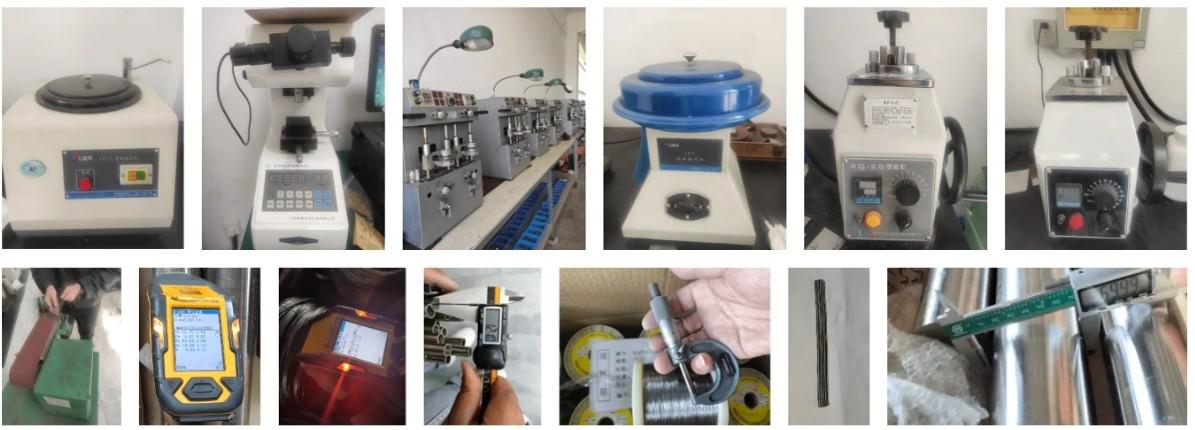
Our 12,000㎡ factory is equipped with complete capabilities for research, production, testing, and packaging. We strictly adhere to ISO 9001 standards in our production processes, with an annual output of 1,200 tons. This ensures that we meet both quantity and quality demands. Furthermore, all products undergo rigorous simulated environment testing including high temperature, high pressure, and corrosion tests before being dispatched, ensuring they meet customer specifications.
For all our clients, we offer timely and multilingual after-sales support and technical consulting, helping you resolve any issues swiftly and efficiently.
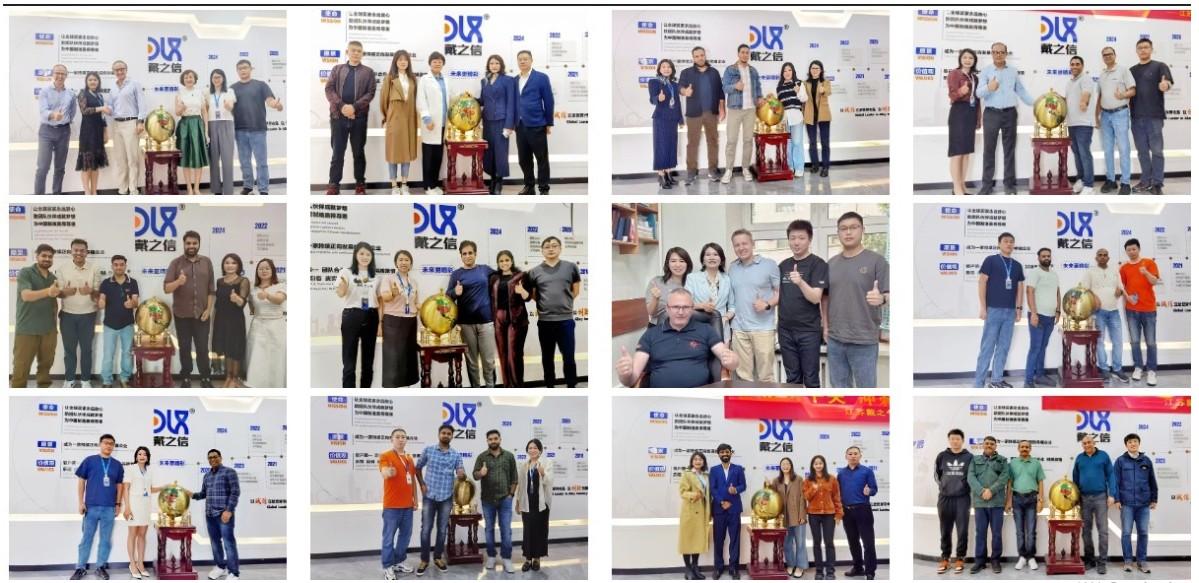
Client Visits
Building Stronger Partnerships
We support all kinds of testing:
1. What is the main difference between Nickel 201 and Nickel 200?
The primary difference is carbon content. Nickel 201 has significantly lower carbon, preventing graphitization at elevated temperatures.
2. Can Nickel 201 plate be used in hydrogen gas environments?
Yes. It performs very well in hydrogen atmospheres and resists hydrogen embrittlement better than many alloys.
3. What is the maximum operating temperature?
Nickel 201 is typically recommended for service above 315°C (600°F), where Nickel 200 may suffer from carbon-related embrittlement.
4. Is Nickel 201 suitable for caustic soda handling?
Absolutely. It has excellent resistance to sodium hydroxide and other alkaline solutions.
5. Can it be welded easily?
Yes. Nickel 201 has good weldability and can be welded using standard nickel welding procedures.
6. What thickness range is available?
At DLX, we supply customized thicknesses from thin plates to heavy gauge plates according to project requirements.
7. Is it magnetic?
Nickel 201 is ferromagnetic at room temperature.
8. Does Nickel 201 resist acid corrosion?
It performs best in reducing acids and alkaline solutions. It is not recommended for strongly oxidizing acids.
Low Carbon Nickel 201 Plate is one of the most reliable materials when it comes to high-temperature and hydrogen service environments. At DLX, we’ve been supplying nickel-based materials for years, and we’ve seen firsthand how critical material selection is in chemical plants, hydrogen facilities, and caustic processing lines.
When temperature rises above 600°F, carbon content becomes a serious issue. In standard nickel grades, excess carbon may lead to graphite formation along grain boundaries, reducing ductility and long-term reliability. That’s exactly why Nickel 201 exists. By strictly controlling carbon to extremely low levels, the alloy maintains structural integrity even under continuous elevated temperature exposure.
From a hydrogen service perspective, this material performs exceptionally well. Hydrogen can be one of the most challenging environments for metals. Some materials suffer embrittlement or cracking. Nickel 201, however, offers stable performance in hydrogen atmospheres, making it a smart choice for electrolyzers, hydrogen reformers, and gas purification systems.
In caustic soda production, corrosion resistance is everything. Equipment downtime costs real money. Nickel 201 plate provides outstanding resistance to sodium hydroxide and other alkalis. We’ve worked with clients who switched to Nickel 201 after repeated failures with lower-grade materials, and the lifecycle improvement was significant.
Another strong advantage is fabrication flexibility. Nickel 201 is easy to form, machine, and weld. For EPC contractors and equipment manufacturers, that means fewer processing complications and better production efficiency.
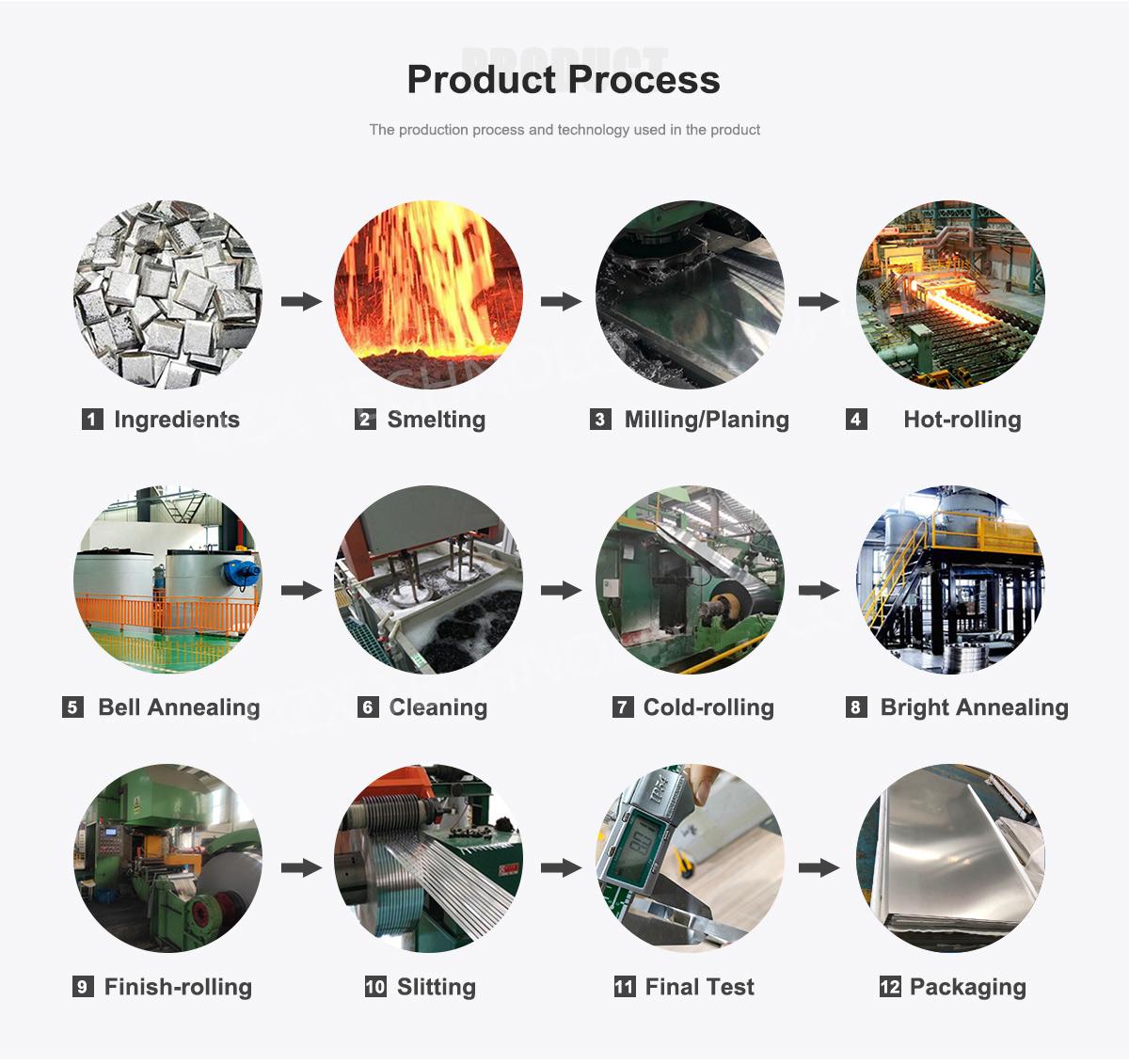
Now let’s talk about quality control. At DLX, we don’t just supply material — we manage the entire process. From raw material sourcing to melting, rolling, annealing, and surface finishing, every step is carefully monitored. We conduct strict chemical composition testing, mechanical property verification, and dimensional inspections to ensure compliance with ASTM and international standards.
Many suppliers focus only on price. We focus on performance consistency. In hydrogen and high-temperature environments, inconsistency is risk. Our production process ensures stable microstructure and uniform thickness tolerance, which directly impacts equipment lifespan.
Lead time is another factor that matters in industrial projects. With our stable production capacity and efficient export logistics, we help customers avoid delays in construction and maintenance schedules.
In today’s market, hydrogen energy is expanding rapidly. Governments and private investors are building more hydrogen production facilities. At the same time, chemical plants are upgrading to more durable corrosion-resistant materials. These trends are driving steady demand for high-quality Nickel 201 plates.
Looking forward, material reliability will matter even more. Equipment is running hotter, longer, and under more aggressive conditions. Low carbon nickel materials will continue to replace conventional grades in critical environments.
At DLX, we are committed to providing stable, high-performance Nickel 201 Plate solutions for customers worldwide. Whether the application is hydrogen generation, caustic soda evaporation, chemical reactors, or heat exchangers, our goal is simple: deliver materials that perform safely, consistently, and efficiently under demanding conditions.