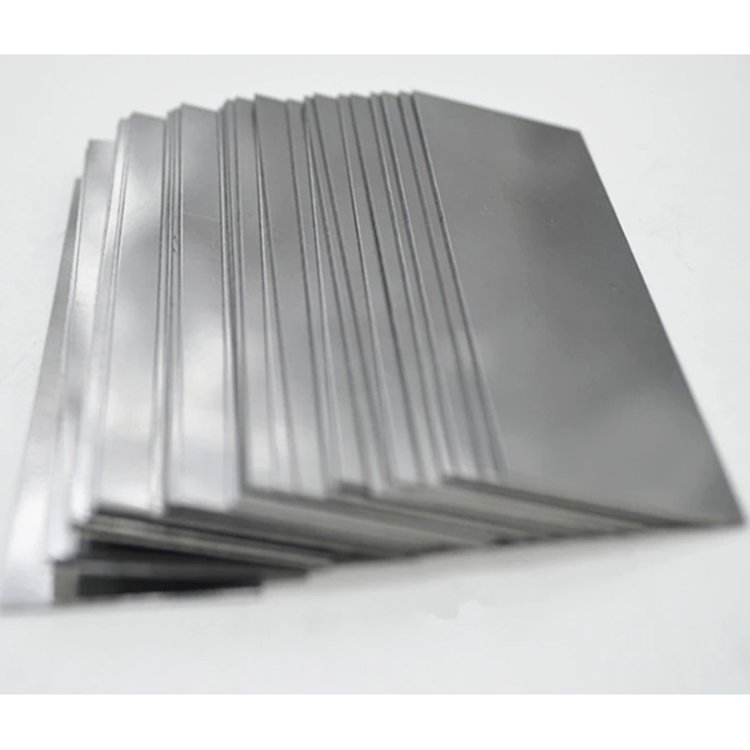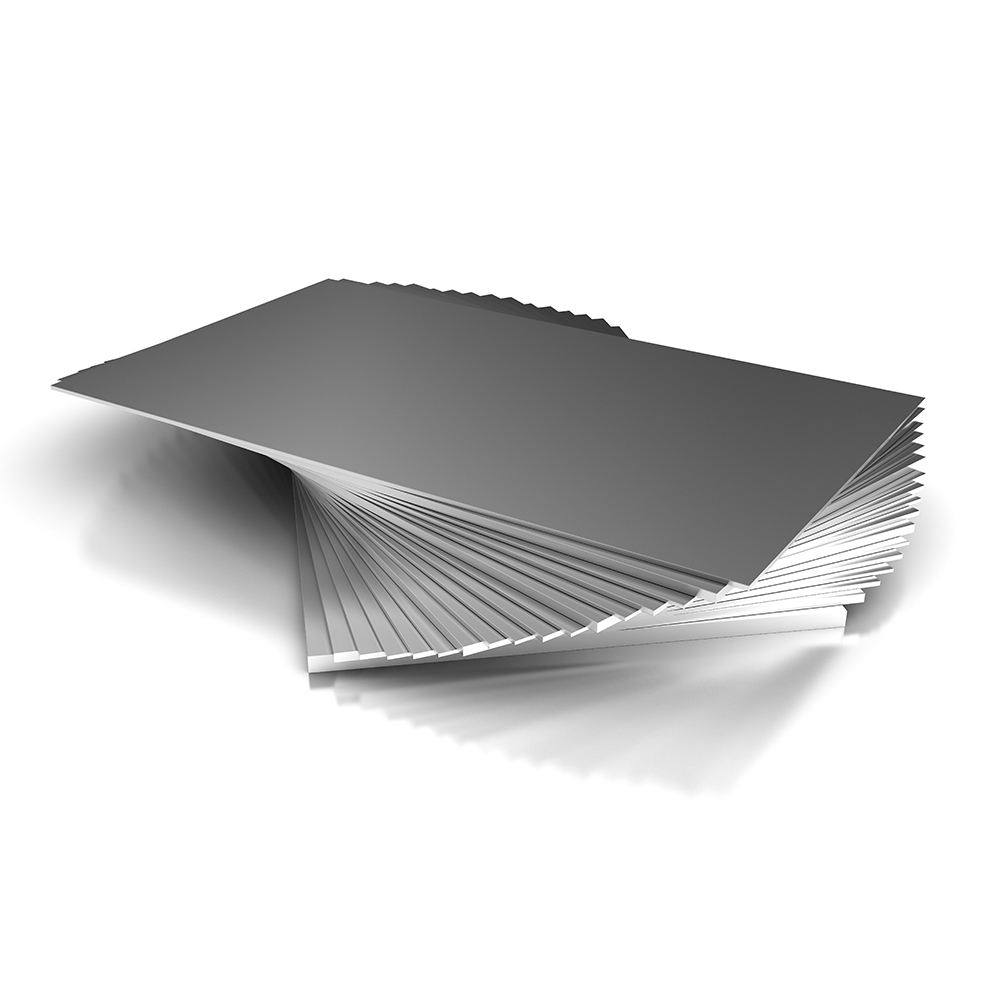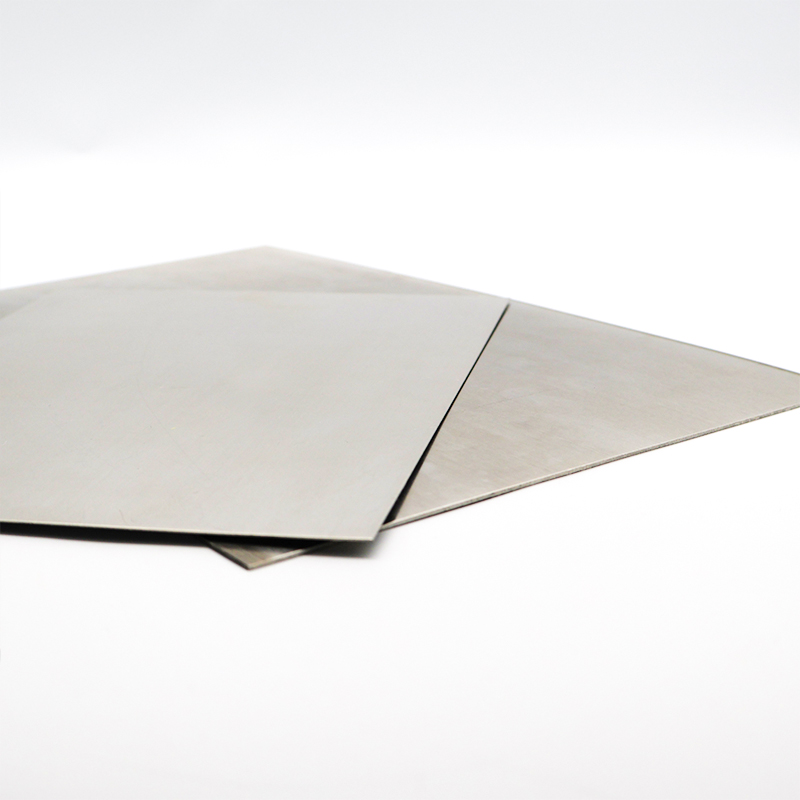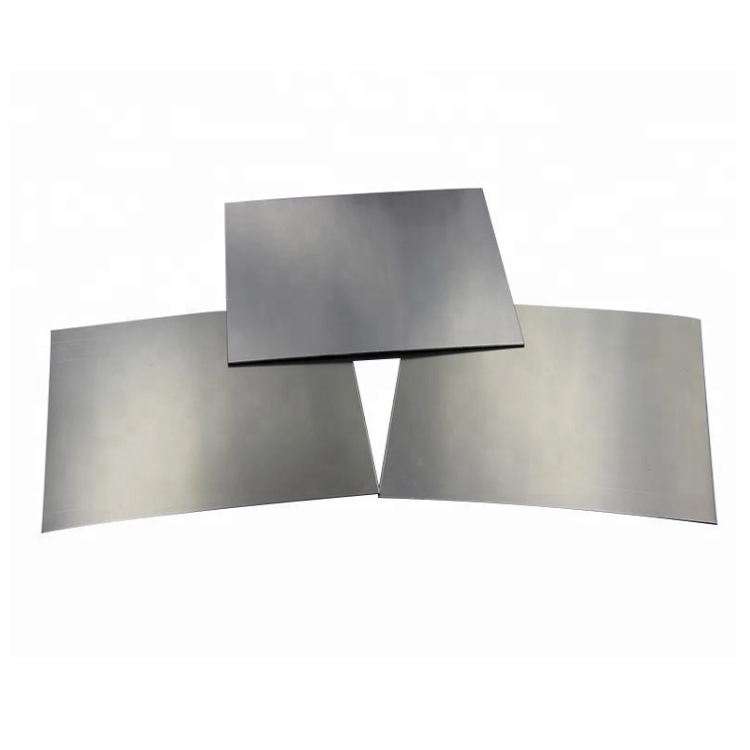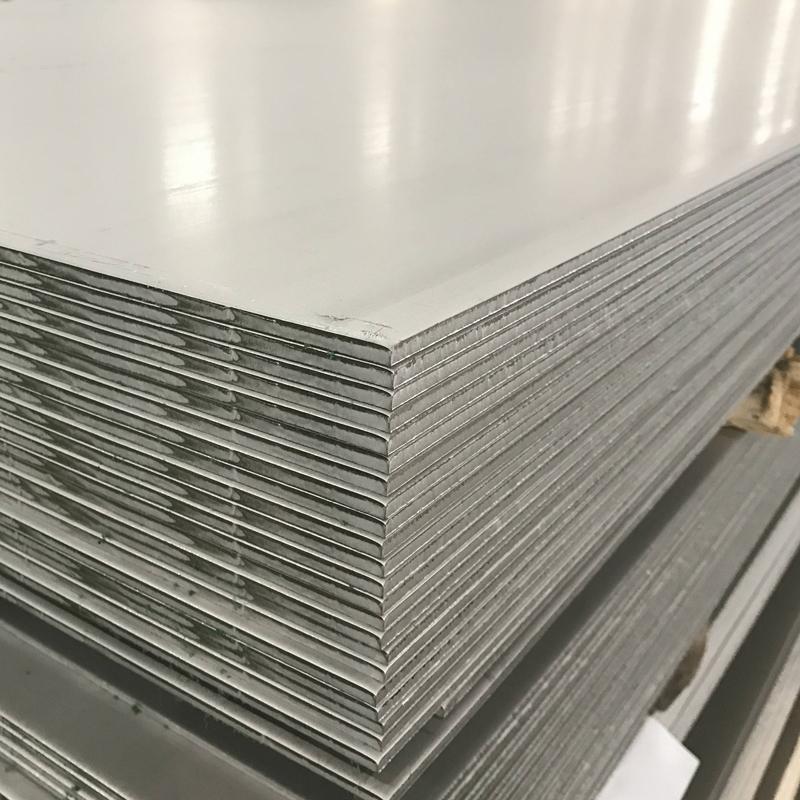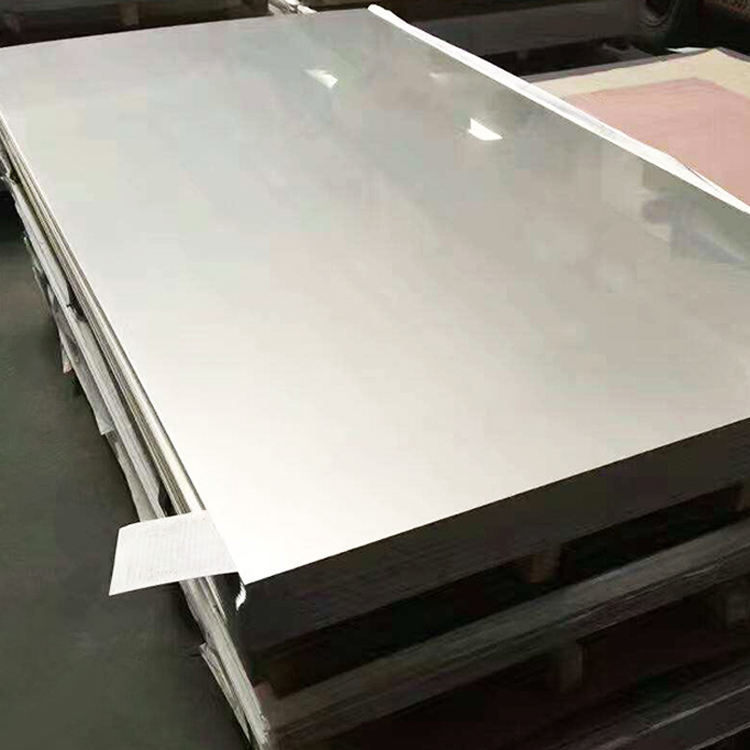

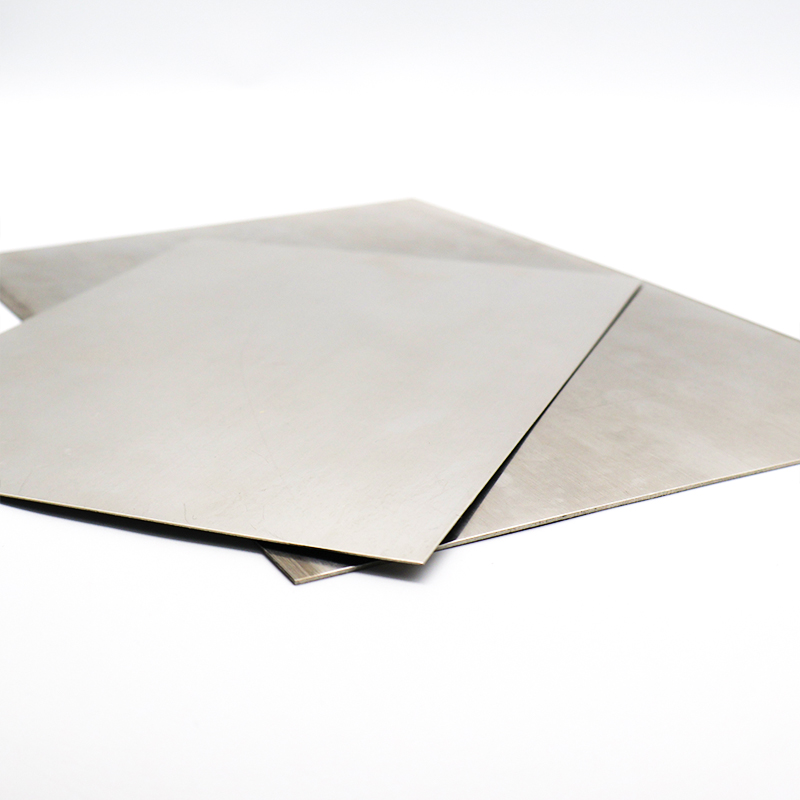
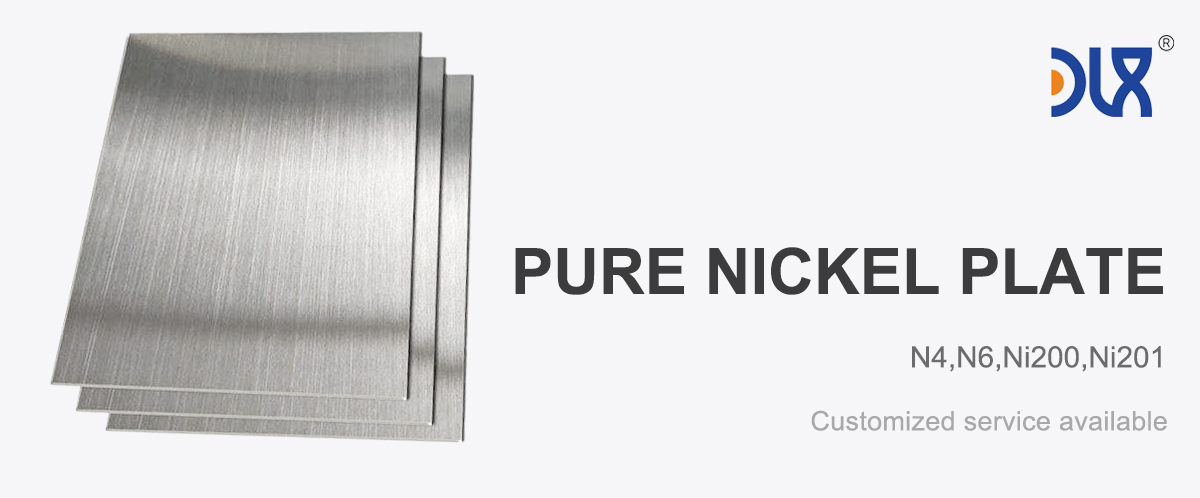
JIS NW2200 / NW2201 are Japanese Industrial Standard (JIS) grades of commercially pure nickel. These materials typically contain a very high percentage of nickel, with controlled trace elements to ensure stable mechanical and chemical behavior.
They are especially suitable for:
-
Precision instruments
-
Vacuum chambers
-
Semiconductor-related components
-
Scientific research equipment
-
High-reliability electronic assemblies
The key reason engineers select NW2200 or NW2201 is predictability. In vacuum systems and precision assemblies, material consistency is often more important than extreme mechanical strength.
For more details, pls directly contact us.
Pure nickel offers a combination of properties that few metals can match in vacuum and precision applications.
High Purity Structure
Both NW2200 and NW2201 provide very high nickel content. The controlled chemistry minimizes contamination risk in vacuum environments and reduces outgassing potential.
Corrosion Resistance
Nickel forms a stable oxide layer that protects it in many chemical environments. It performs well in alkaline conditions and resists atmospheric corrosion effectively.
Vacuum Compatibility
Low vapor pressure and structural stability make pure nickel suitable for vacuum chambers and related assemblies.
Thermal Stability
Nickel maintains dimensional stability across temperature fluctuations, which is critical in equipment requiring precise alignment.
Workability
It can be cut, stamped, machined, and welded with good reliability, supporting complex fabrication processes.
| Grade | Nickel (Ni)+ Cobalt (Co) | Copper (Cu) | Silicon (Si) | Manganese (Mn) | Carbon (C) | Magnesium (Mg) | Sulfur (S) | Phosphorus (P) | Iron (Fe) |
|
|
99.9% | ≤0.015 | ≤0.03 | ≤0.002 | ≤0.01 | ≤0.01 | ≤0.001 | ≤0.001 | ≤0.04 |
|
|
99.6% | 0.1 | 0.1 | 0.05 | 0.1 | 0.1 | 0.005 | 0.002 | 0.1 |
Physical & Mechanical Properties
| Grades | N4/Ni201 | N6/Ni200 |
| Density | 8.9g/cm³ | 8.9g/cm³ |
| Melting Point | 1455°C | 1445-1470℃ |
| Coefficient of Thermal Expansion | 13.0µm/m·°C | 13.3×10⁻⁶/℃ |
| Thermal Conductivity | 10.1W/m·K | 90.7 W/m·K |
| Electrical Resistivity | 0.103×10⁻⁶Ω·/m (at 20℃) | |
| Electrical Conductivity | 14.6% IACS | |
| Tensile Strength | ≥450MPa | ≥450 MPa |
| Yield Strength | ≥200MPa | ≥150 MPa |
| Elongation at Break | ≥40% | ≥40% |
| Hardness | ≤150 |
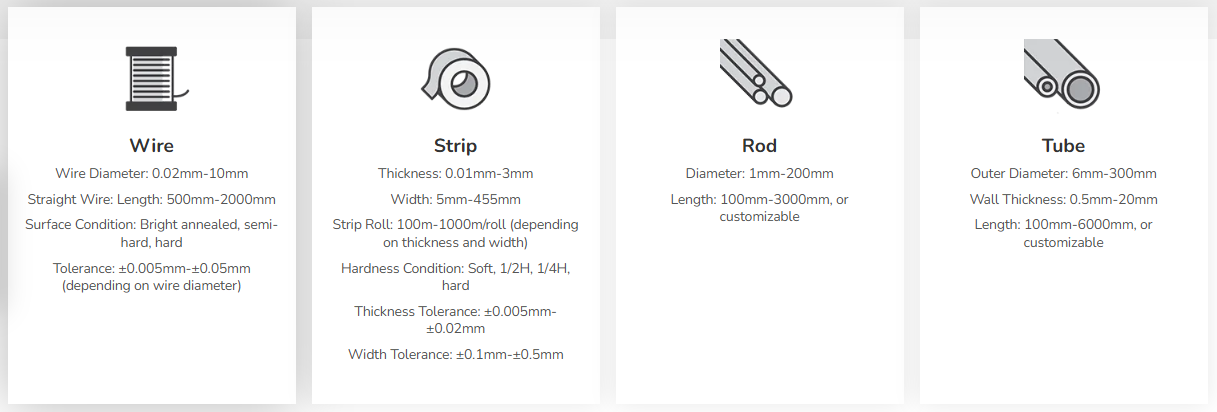
For more details, pls directly contact us.
Although both grades are pure nickel under JIS standards, subtle differences may influence application choices.
| Parameter | JIS NW2200 | JIS NW2201 |
|---|---|---|
| Nickel Content | ≥ 99.0% (typical) | ≥ 99.2% (typical) |
| Purity Level | High | Slightly higher |
| Corrosion Resistance | Excellent | Superior in critical environments |
| Mechanical Stability | Very stable | Extremely stable |
| Vacuum Performance | Suitable for industrial vacuum | Preferred for high-precision vacuum systems |
| Cost Level | Economical | Higher due to tighter control |
| Common Applications | General precision equipment | High-end vacuum & semiconductor parts |
For many standard industrial precision uses, NW2200 performs extremely well. For more sensitive vacuum systems or research equipment, NW2201 is often preferred due to its slightly tighter composition control.
Applications in Precision Equipment
Precision machinery demands tight tolerances and stable materials.
Typical uses include:
-
Structural plates in analytical instruments
-
Internal shielding components
-
Precision brackets and mounting plates
-
Electrical contact structures
In these environments, material expansion, oxidation behavior, and machining quality directly affect equipment performance. Pure nickel offers predictable thermal expansion and good machinability, reducing distortion risks.
Applications in Vacuum Systems
Vacuum systems introduce unique material requirements:
-
Low outgassing
-
Dimensional stability
-
Clean surface characteristics
-
Resistance to contamination
Pure nickel plates are often used in:
-
Vacuum chamber linings
-
Sealing surfaces
-
Internal supports
-
Custom vacuum components
Because nickel maintains structural integrity at both low and moderately high temperatures, it is suitable for systems that undergo thermal cycling.
Industry Trends Driving Demand
Several macro trends are increasing demand for JIS NW2200 / NW2201 nickel plates.
Growth of Semiconductor Equipment
Precision vacuum environments are central to semiconductor manufacturing. Materials that offer stable vacuum compatibility are essential.
Expansion of Scientific Research Infrastructure
Laboratories, research institutions, and advanced testing facilities rely on vacuum chambers and precision instruments.
Miniaturization and Accuracy
Modern devices demand tighter tolerances. Materials must behave consistently across machining, welding, and assembly processes.
Increased Focus on Reliability
Equipment downtime is expensive. Engineers increasingly choose materials that reduce long-term failure risk, even if initial cost is slightly higher.
Processing and Fabrication Advantages
Pure nickel plates are suitable for:
-
Laser cutting
-
CNC machining
-
Deep drawing
-
TIG welding
-
Surface polishing
The material’s ductility allows complex shapes without cracking. For precision manufacturers, this reduces rejection rates and improves production efficiency.
Surface finishing options also allow adaptation to vacuum cleanliness requirements. Smooth, controlled surfaces help minimize contamination risks.
Quality Considerations in Vacuum Applications
When nickel plates are used in vacuum systems, several quality factors become critical:
-
Surface cleanliness
-
Inclusion control
-
Thickness tolerance
-
Flatness
-
Traceability
Even small impurities can affect vacuum performance. That is why production control and inspection standards matter significantly more in this field than in general industrial use.
DLX Perspective: Why Our Approach Makes a Difference
From our standpoint at DLX, supplying JIS NW2200 / NW2201 pure nickel plate means delivering reliability, not just metal sheets.
We focus on:
Strict Raw Material Selection
We control the upstream material quality to ensure stable chemical composition.
Precision Rolling and Annealing
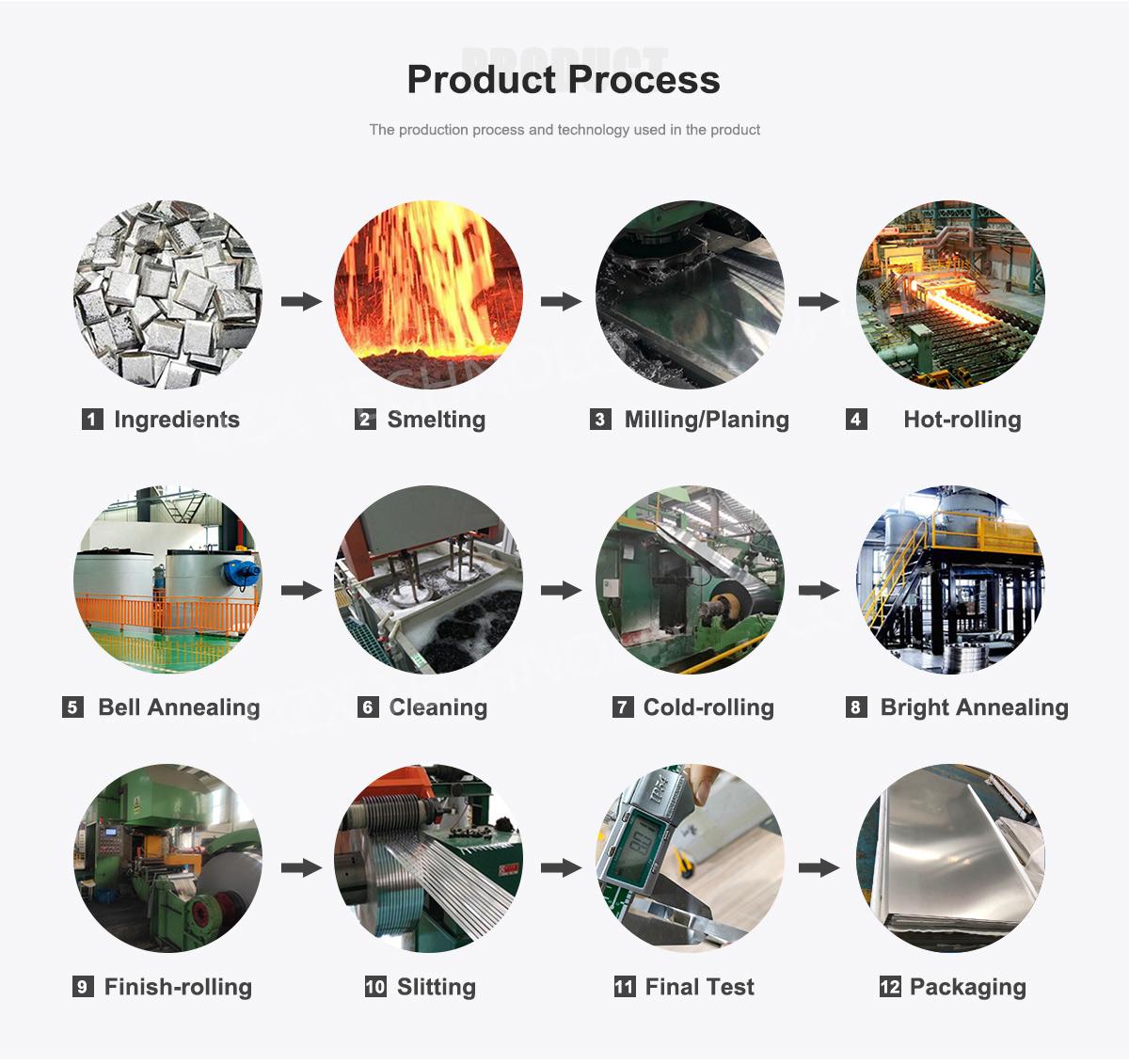
Controlled processing ensures uniform grain structure and consistent mechanical response.
Dimensional Accuracy
Flatness and thickness tolerance are tightly managed to support precision machining.
Surface Quality Management
Clean and defect-free surfaces are critical for vacuum system integration.
Batch Consistency
Customers operating precision equipment cannot afford variation between shipments. We emphasize repeatability.
Technical Communication
We work closely with customers to match material grade, thickness, and processing condition to actual vacuum or precision equipment requirements.
Instead of competing on price alone, we compete on stability, control, and long-term partnership value. For clients building high-end equipment, consistency often matters more than marginal cost savings.
For more details, pls directly contact us.
About Us:
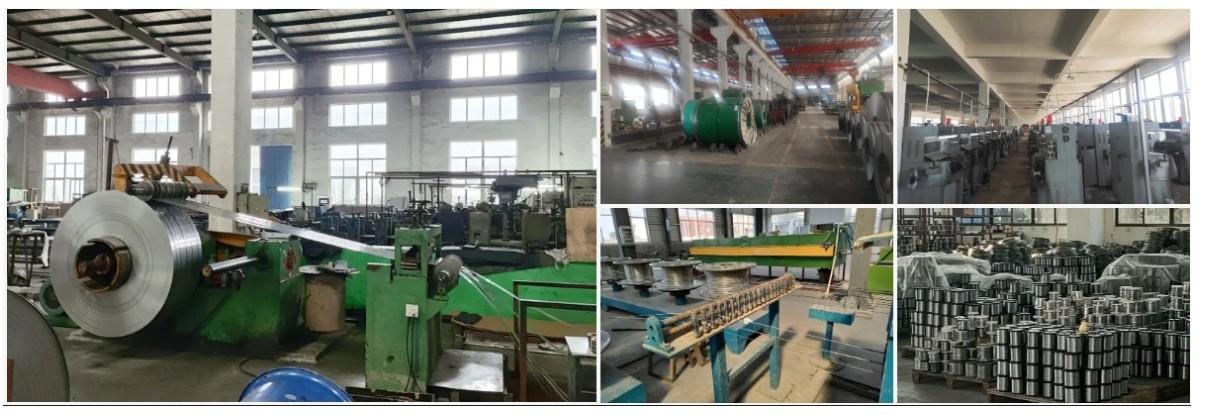
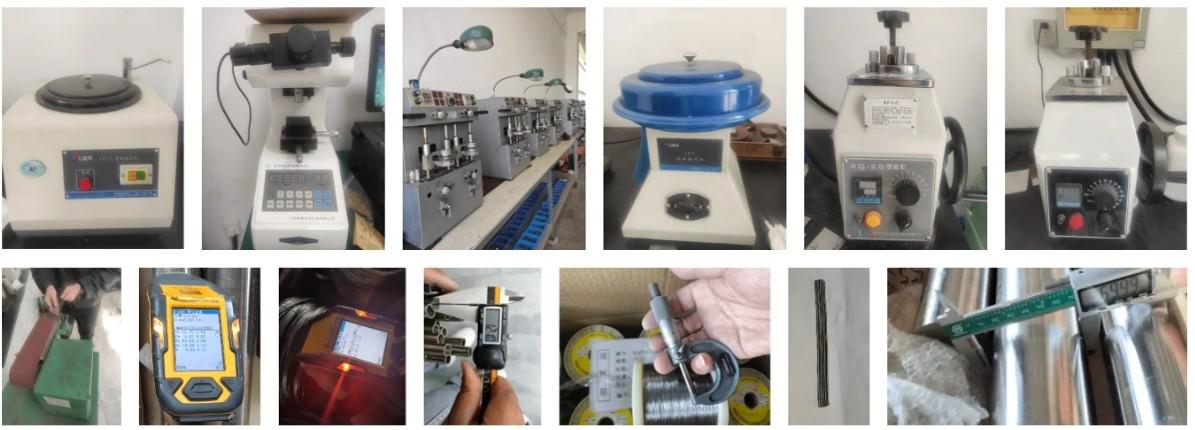
Our 12,000㎡ factory is equipped with complete capabilities for research, production, testing, and packaging. We strictly adhere to ISO 9001 standards in our production processes, with an annual output of 1,200 tons. This ensures that we meet both quantity and quality demands. Furthermore, all products undergo rigorous simulated environment testing including high temperature, high pressure, and corrosion tests before being dispatched, ensuring they meet customer specifications.
For all our clients, we offer timely and multilingual after-sales support and technical consulting, helping you resolve any issues swiftly and efficiently.
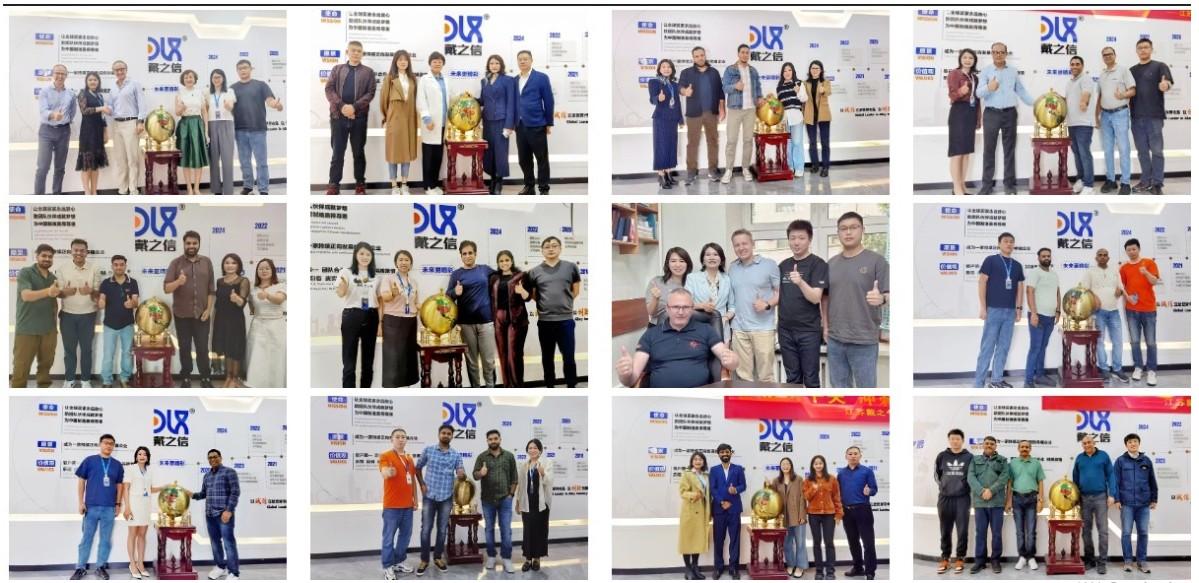
Client Visits
Building Stronger Partnerships
We support all kinds of testing:
-
What is the main difference between NW2200 and NW2201?
NW2201 generally has slightly higher nickel purity and tighter control of trace elements, making it more suitable for critical vacuum systems. -
Are these nickel plates suitable for ultra-high vacuum environments?
They are suitable for many industrial and precision vacuum systems. For ultra-high vacuum, additional surface preparation and cleaning processes may be required. -
Can NW2200 / NW2201 plates be welded?
Yes. Pure nickel offers good weldability when proper techniques and filler materials are used. -
Do these grades resist corrosion in humid environments?
Yes. Nickel’s natural oxide layer provides strong resistance to atmospheric corrosion. -
Are they magnetic?
Commercially pure nickel is ferromagnetic at room temperature. -
Can the plates be custom cut or processed?
Yes. They can be cut, machined, stamped, and polished according to design requirements. -
What thickness range is typically available?
Thickness can vary widely depending on industrial requirements, from thin precision sheets to thicker structural plates. -
How should pure nickel plates be stored before use?
They should be stored in clean, dry conditions to prevent contamination and mechanical damage.
Industry Outlook
As precision manufacturing, semiconductor production, and advanced research infrastructure continue to grow globally, demand for stable and high-purity materials will follow. Pure nickel plate under JIS standards remains a dependable solution in this evolving environment.
Manufacturers are shifting from short-term purchasing strategies toward long-term material reliability strategies. In that context, consistent quality control and process stability become competitive advantages.
At DLX, we align our production philosophy with this long-term view. Precision industries require materials that perform predictably today, tomorrow, and years down the line.