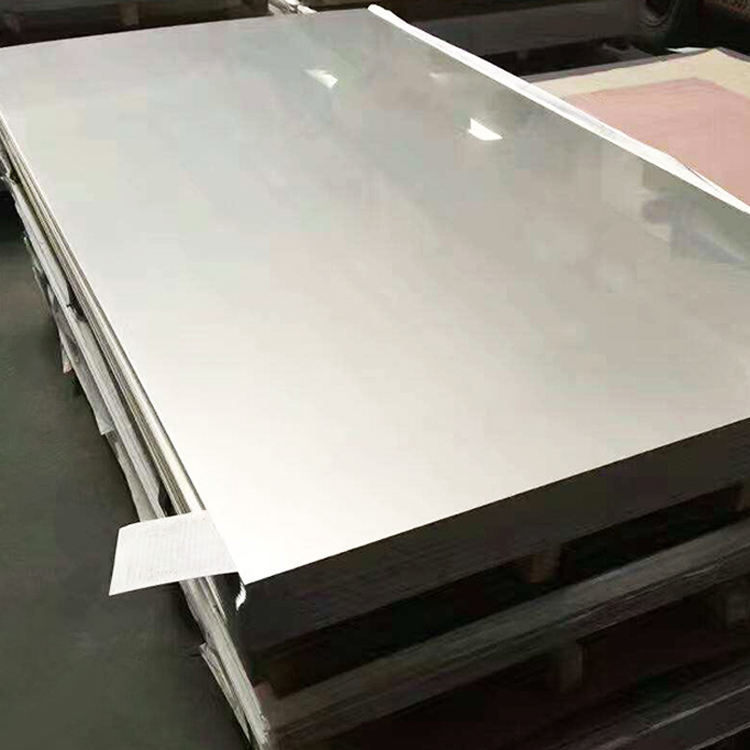
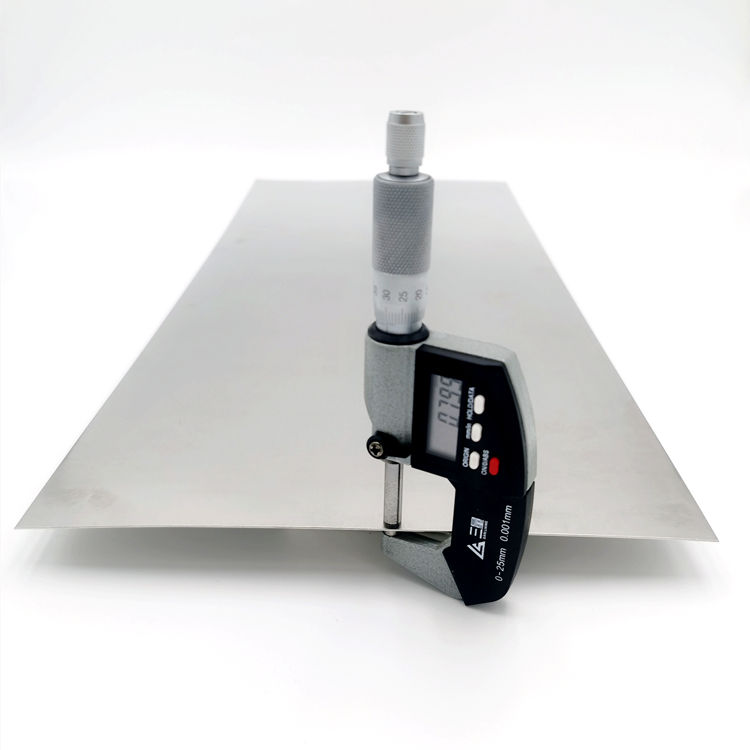
Pure Nickel Plate remains one of those materials that quietly powers entire industries. From battery tabs and electronic components to corrosion-resistant structures, industrial grade pure nickel — especially GB/T 2054 N6 and N4 — continues to be a dependable choice wherever stability, conductivity, and chemical resistance matter.
This page takes a practical look at the material itself, where it fits in modern industry, and why manufacturers consistently choose high-purity nickel plate for demanding applications.
For more details, pls directly contact us.
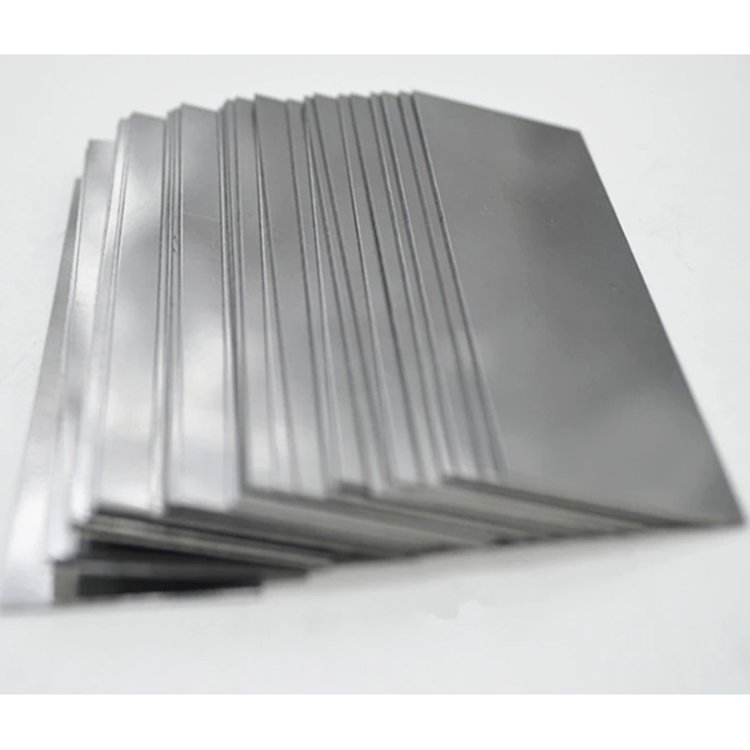
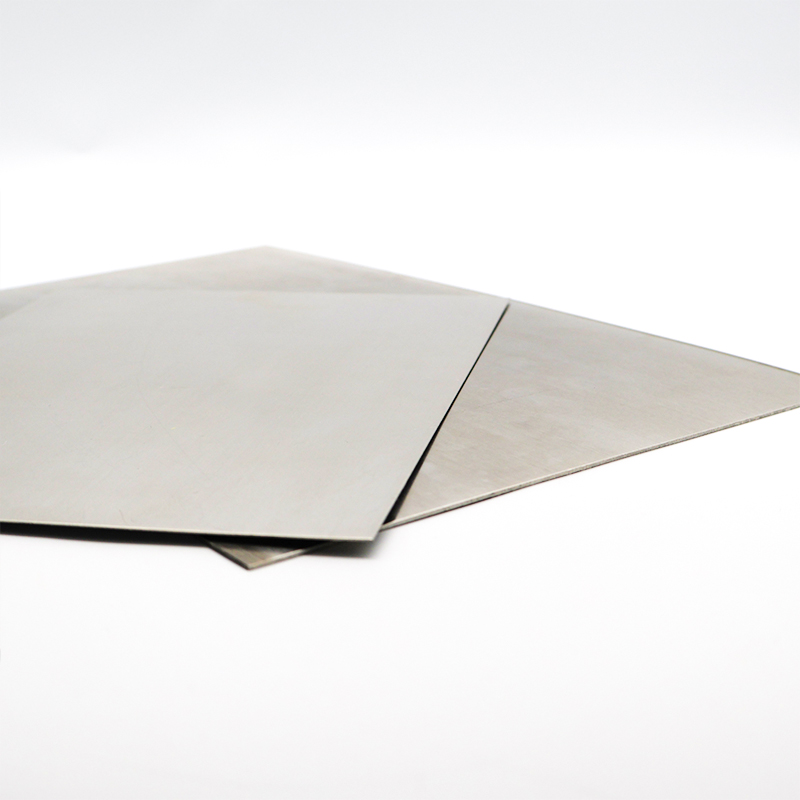
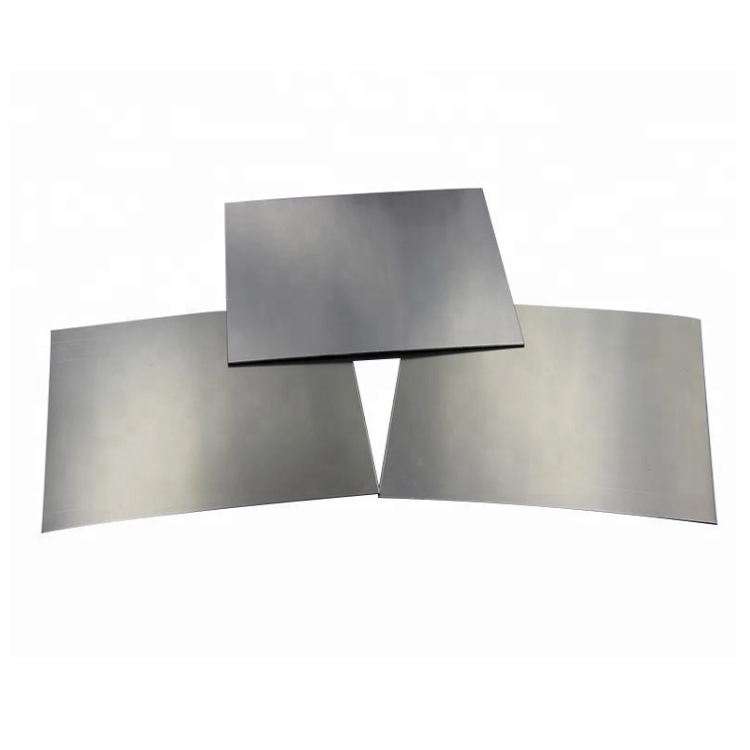
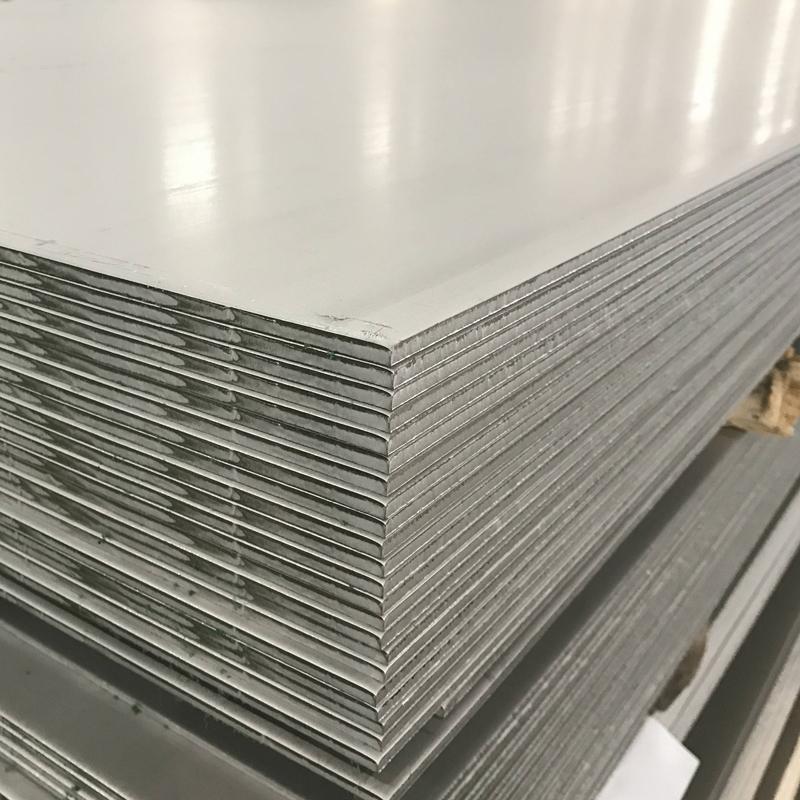
GB/T 2054 N6 / N4 pure nickel plates are high-purity nickel materials designed for industrial environments where performance consistency is critical. The defining feature is nickel content — typically above 99%, with N6 generally representing higher purity compared to N4.
Pure nickel is valued because it delivers a rare combination of properties:
-
Excellent corrosion resistance
-
Stable mechanical behavior across temperatures
-
Good electrical and thermal conductivity
-
Strong ductility and formability
-
Reliable weldability
These characteristics explain why pure nickel plates are widely used in battery systems, electronics, chemical equipment, and precision assemblies.
| Grade | Nickel (Ni)+ Cobalt (Co) | Copper (Cu) | Silicon (Si) | Manganese (Mn) | Carbon (C) | Magnesium (Mg) | Sulfur (S) | Phosphorus (P) | Iron (Fe) |
|
|
99.9% | ≤0.015 | ≤0.03 | ≤0.002 | ≤0.01 | ≤0.01 | ≤0.001 | ≤0.001 | ≤0.04 |
|
|
99.6% | 0.1 | 0.1 | 0.05 | 0.1 | 0.1 | 0.005 | 0.002 | 0.1 |
Physical & Mechanical Properties
| Grades | N4/Ni201 | N6/Ni200 |
| Density | 8.9g/cm³ | 8.9g/cm³ |
| Melting Point | 1455°C | 1445-1470℃ |
| Coefficient of Thermal Expansion | 13.0µm/m·°C | 13.3×10⁻⁶/℃ |
| Thermal Conductivity | 10.1W/m·K | 90.7 W/m·K |
| Electrical Resistivity | 0.103×10⁻⁶Ω·/m (at 20℃) | |
| Electrical Conductivity | 14.6% IACS | |
| Tensile Strength | ≥450MPa | ≥450 MPa |
| Yield Strength | ≥200MPa | ≥150 MPa |
| Elongation at Break | ≥40% | ≥40% |
| Hardness | ≤150 |
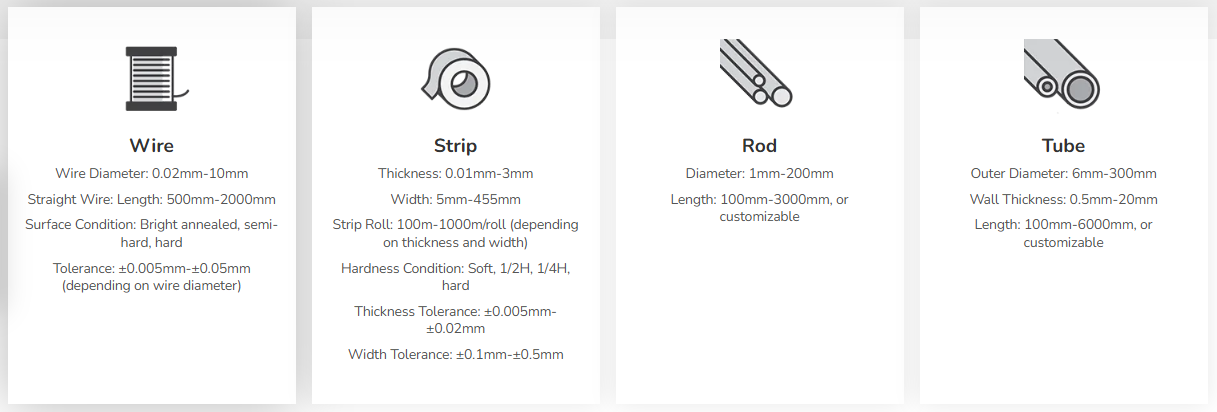
For more details, pls directly contact us.
Unlike many alloy systems, pure nickel does not rely on multiple elements to achieve its performance. Its advantages come from the intrinsic properties of nickel itself.
Corrosion Resistance
Nickel naturally forms a stable protective oxide layer, which allows it to withstand alkaline environments, many acids, and humid conditions. This makes it particularly useful in electrochemical and chemical processing scenarios.
Electrical Performance
While not as conductive as copper or silver, nickel offers stable and predictable conductivity combined with superior chemical stability. That balance is often more important than raw conductivity in battery and electronic applications.
Mechanical Stability
Pure nickel retains good strength and toughness over a wide temperature range. It also resists embrittlement, which is important for components subject to thermal cycling.
Workability
Forming, stamping, cutting, and welding pure nickel plates is generally straightforward, reducing manufacturing complexity.
Typical Applications
Pure nickel plates appear in many industrial products, often in roles where failure is not an option.
Battery Industry
-
Battery tabs and connectors
-
Current collectors
-
Structural elements in battery modules
-
Nickel strips derived from plate material
Nickel’s resistance to oxidation and stable electrochemical behavior make it ideal for rechargeable battery systems.
Electronics & Electrical
-
Lead frames
-
Shielding components
-
Conductive structures
-
Precision stamped parts
Here, dimensional stability and reliable conductivity are often more important than maximum conductivity.
Chemical & Processing Equipment
-
Corrosion-resistant linings
-
Reaction vessels
-
Alkali handling equipment
Vacuum & High-Temperature Systems
-
Heat-resistant structures
-
Sealing components
Comparison of N6 vs N4 Pure Nickel Plate
While both materials belong to the pure nickel category, there are subtle differences that influence selection.
| Parameter | N6 Pure Nickel Plate | N4 Pure Nickel Plate |
|---|---|---|
| Nickel Content | Higher purity (typically ≥ 99.5%) | Slightly lower purity (typically ≥ 99.0%) |
| Electrical Stability | Excellent | Very good |
| Corrosion Resistance | Superior in extreme environments | Strong for general industrial use |
| Mechanical Properties | Highly consistent | Consistent |
| Cost | Higher | More economical |
| Typical Use | Precision electronics, critical battery parts | General industrial & electrical components |
In practice, N6 is often chosen for high-precision or high-reliability scenarios, while N4 offers a cost-effective solution for broader industrial applications.
Industry Trends Driving Demand
Several global trends continue to push demand for pure nickel materials upward.
Battery & Energy Storage Growth
Rechargeable batteries are everywhere — consumer electronics, energy storage systems, mobility solutions. Nickel remains deeply integrated into this ecosystem, not only in active materials but also in structural and conductive components.
Electronics Miniaturization
As components shrink, materials must deliver tighter tolerances, better stability, and predictable behavior. Pure nickel’s uniformity and workability align well with these requirements.
Corrosion-Sensitive Environments
Industries handling chemicals, moisture, and aggressive media increasingly favor materials that reduce maintenance and failure risks.
Reliability-Focused Engineering
Manufacturers now prioritize lifecycle performance over initial material cost. Pure nickel plates often win on durability and stability.
Manufacturing & Processing Advantages
Pure nickel plates are friendly to most industrial fabrication methods:
-
Laser cutting
-
Stamping & forming
-
Precision machining
-
Welding & brazing
The material’s ductility helps avoid cracking during forming, while its metallurgical stability supports clean weld joints. For high-volume production environments, this translates into better yield rates and fewer defects.
Why Material Quality Matters
Not all nickel plates perform the same. Small variations in purity, grain structure, and surface condition can significantly influence downstream processes.
High-quality pure nickel plates typically deliver:
-
Stable thickness tolerances
-
Clean surface finish
-
Consistent mechanical response
-
Predictable conductivity
In industries like batteries and electronics, these factors directly impact product reliability and production efficiency.
DLX Company Perspective
From a supplier’s standpoint, pure nickel plate is not just a commodity material — it is a performance-critical engineering input. Consistency, traceability, and process control matter more than ever.
DLX focuses on several priorities when producing and supplying GB/T 2054 N6 / N4 nickel plates:
Strict Composition Control
Maintaining purity and minimizing unwanted elements ensures stable physical and chemical behavior.
Dimensional Precision
Uniform thickness and flatness simplify customer processing and reduce waste.
Surface Quality Management
Clean surfaces improve welding, plating, and forming outcomes.
Production Stability
Repeatability across batches is essential for industrial clients running continuous manufacturing lines.
Application-Driven Support
Rather than simply shipping material, DLX emphasizes matching plate specifications to actual usage scenarios — whether battery connectors, stamped electronics, or corrosion-resistant structures.
For more details, pls directly contact us.
About Us:
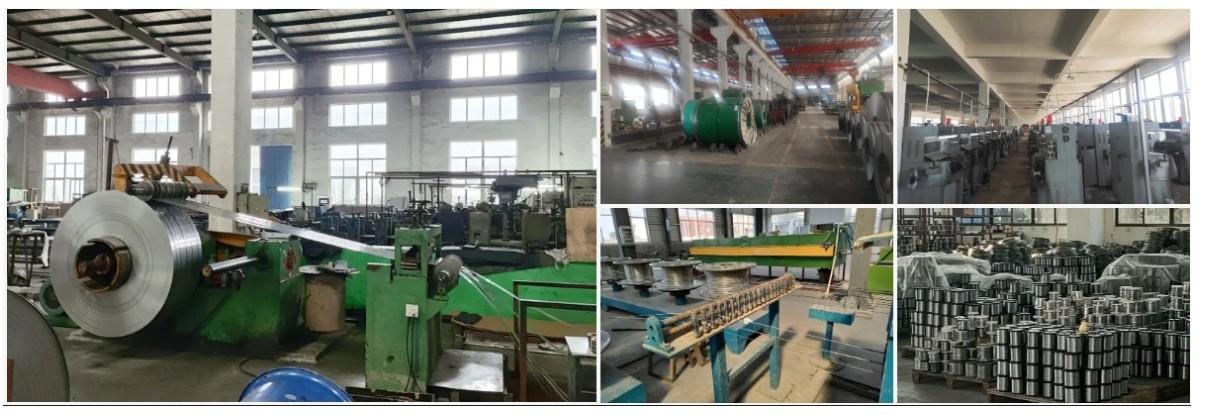
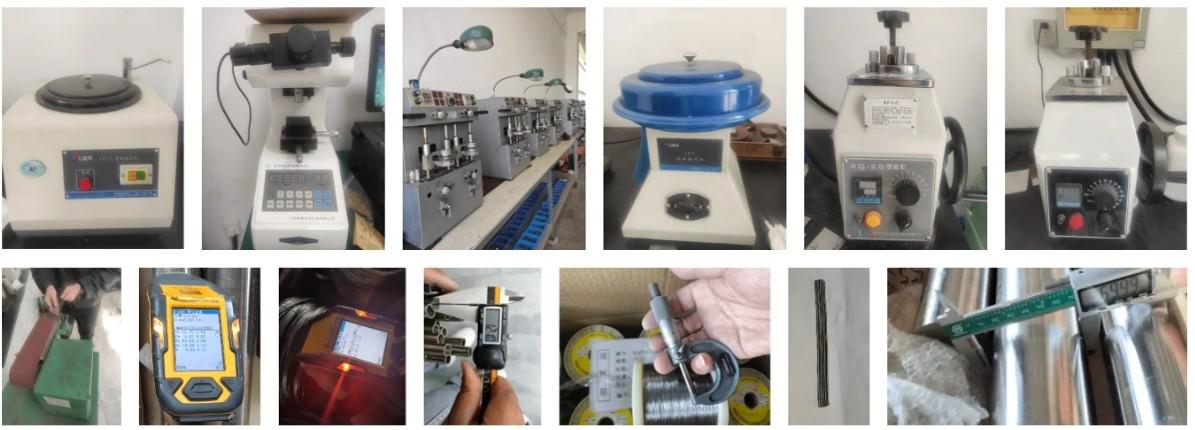
Our 12,000㎡ factory is equipped with complete capabilities for research, production, testing, and packaging. We strictly adhere to ISO 9001 standards in our production processes, with an annual output of 1,200 tons. This ensures that we meet both quantity and quality demands. Furthermore, all products undergo rigorous simulated environment testing including high temperature, high pressure, and corrosion tests before being dispatched, ensuring they meet customer specifications.
For all our clients, we offer timely and multilingual after-sales support and technical consulting, helping you resolve any issues swiftly and efficiently.
Client Visits
Building Stronger Partnerships

We support all kinds of testing:
1. What is the main difference between N6 and N4 pure nickel plate?
N6 generally indicates higher nickel purity compared to N4. This can translate into slightly better corrosion resistance and performance stability, especially in demanding applications.
2. Why is pure nickel used in batteries instead of copper?
Copper has higher conductivity, but nickel offers better oxidation resistance and electrochemical stability. In battery environments, long-term reliability often outweighs raw conductivity.
3. Can pure nickel plates be easily welded?
Yes. Pure nickel typically exhibits good weldability when proper procedures are followed, making it suitable for structural and electrical assemblies.
4. Are N6 / N4 plates suitable for high-temperature applications?
Pure nickel maintains good mechanical stability over a wide temperature range, which supports many moderate high-temperature uses.
5. How does purity affect performance?
Higher purity usually improves corrosion resistance, conductivity stability, and consistency in forming or stamping processes.
6. Is pure nickel plate difficult to machine or form?
No. Its ductility and predictable mechanical behavior generally make fabrication straightforward.
7. What industries commonly use GB/T 2054 nickel plates?
Battery manufacturing, electronics, chemical processing, electrical engineering, and precision component production.
8. How should pure nickel plates be stored?
Clean, dry storage conditions are recommended to prevent surface contamination or mechanical damage.