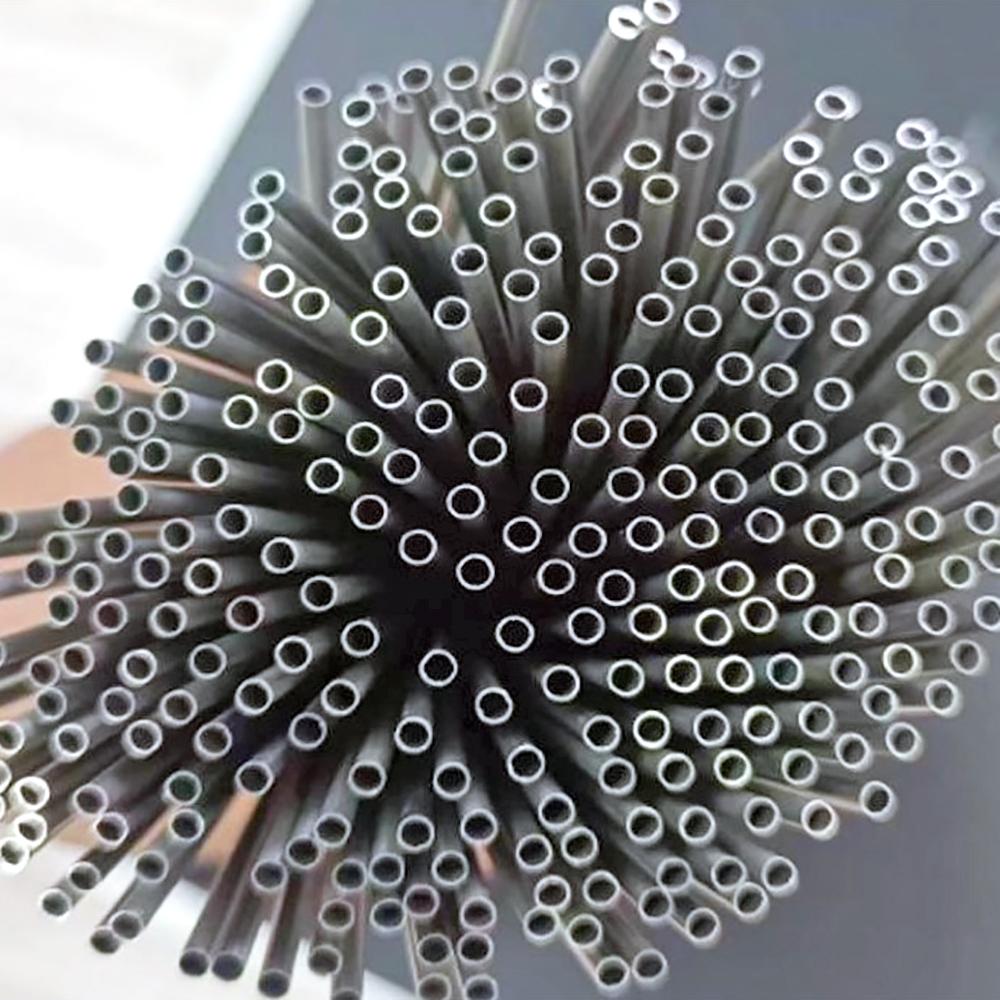
In modern industry, material performance directly determines product reliability, efficiency, and lifecycle cost. Among various industrial metals, pure nickel stands out as a critical material due to its exceptional corrosion resistance, electrical conductivity, and thermal stability.
For industries such as chemical processing, electronics, energy storage, and aerospace, selecting the right pure nickel manufacturer is not just about price—it is about long-term performance and supply reliability.
At DLX Alloy, we provide high-purity nickel materials designed to meet the strict requirements of global B2B buyers.
What is Pure Nickel?
Pure nickel refers to commercially pure nickel grades such as Ni200 and Ni201, typically containing more than 99% nickel.
These materials are widely used because of their unique properties:
Excellent corrosion resistance
High electrical conductivity
Good thermal conductivity
Strong ductility and weldability
Pure nickel is particularly effective in harsh chemical environments, especially in alkaline and reducing conditions .
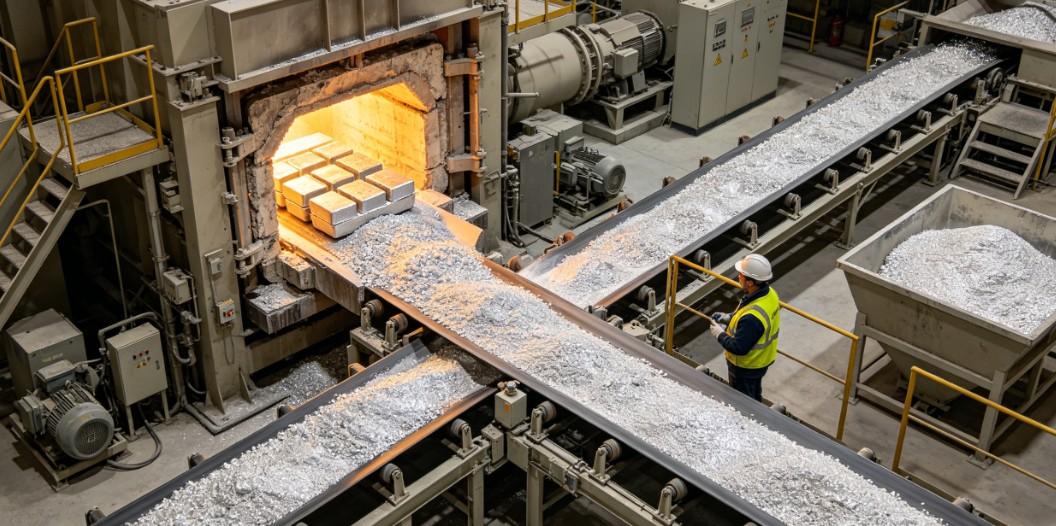
Common Grades of Pure Nickel
Ni200 (UNS N02200)
Nickel content ≥ 99.6%
Good mechanical strength
Suitable for general industrial applications
Ni201 (UNS N02201)
Lower carbon content
Better performance at high temperatures
Improved resistance to graphitization
Why Pure Nickel is Critical for Industrial Applications
Pure nickel is not just another metal—it is a performance-driven material.
Key Advantages
1. Superior Corrosion Resistance
Pure nickel resists acids, alkalis, and chloride environments, making it ideal for chemical equipment .
2. High Electrical Conductivity
Widely used in electronics and battery components due to stable conductivity .
3. Excellent Thermal Stability
Performs well across a wide temperature range, including high-temperature applications .
4. Strong Workability
Easy to fabricate, weld, and form into various shapes.
Industrial Applications of Pure Nickel
1. Chemical Processing Industry
Reactors
Heat exchangers
Storage tanks
Pure nickel is widely used due to its resistance to aggressive chemicals and caustic environments .
2. Electronics Industry
Lead wires
Connectors
Battery components
Its conductivity and stability make it essential for electronic manufacturing.
3. Energy & Battery Industry
Lithium battery components
Energy storage systems
The rise of electric vehicles is significantly increasing demand for high-purity nickel .
4. Aerospace Industry
Heat-resistant components
Structural materials
5. Food Processing Industry
Equipment exposed to alkaline environments
Industry Trends
1. Growing Demand from EV and Energy Storage
The global shift toward electric vehicles is driving demand for high-purity nickel materials.
2. Increased Focus on Corrosion-Resistant Materials
Industries are replacing traditional materials with nickel for longer service life.
3. Sustainability and Recycling
Nickel is highly recyclable, aligning with global environmental goals .
Common Buyer Pain Points (And Solutions)
Pain Point 1: Low Purity Materials
Impurities reduce performance and lifespan.
Solution:
DLX Alloy provides ≥99.6% purity nickel with strict composition control.
Pain Point 2: Inconsistent Quality
Batch variation leads to unstable performance.
Solution:
We implement full traceability and quality inspection.
Pain Point 3: Poor Surface Finish
Surface defects cause corrosion and failure.
Solution:
Bright surface processing ensures high-quality finish.
Pain Point 4: Limited Customization
Standard sizes may not meet requirements.
Solution:
We offer customized wire, strip, plate, and bar solutions.
Pain Point 5: Long Lead Time
Delays impact production schedules.
Solution:
Stable production capacity and global logistics.
Technical Parameters of Pure Nickel
| Property | Ni200 | Ni201 |
|---|---|---|
| Nickel Content | ≥99.6% | ≥99.9% |
| Density | 8.9 g/cm³ | 8.9 g/cm³ |
| Melting Point | 1445–1470°C | ~1455°C |
| Tensile Strength | ≥450 MPa | ≥450 MPa |
| Elongation | ≥40% | ≥40% |
Product Specifications
| Product Type | Wire / Strip / Plate / Bar |
|---|---|
| Thickness | 0.02 mm – 50 mm |
| Surface | Bright / Annealed |
| Standard | ASTM B160 / B162 |
| Delivery | Coil / Sheet / Custom |
DLX Alloy vs General Manufacturers
| Feature | DLX Alloy | General Suppliers |
|---|---|---|
| Purity Control | High | Variable |
| Surface Quality | Bright finish | Standard |
| Customization | Full | Limited |
| Delivery | Stable | Uncertain |
| Technical Support | Strong | Weak |
Why Choose DLX Alloy?
Extensive experience in nickel materials
Advanced production and inspection systems
Flexible customization
Competitive pricing
Global export capability
We understand that industrial buyers need more than materials—they need reliability.
FAQ (Frequently Asked Questions)
1. What is the difference between Ni200 and Ni201?
Ni201 has lower carbon content and better high-temperature performance.
2. Is pure nickel better than nickel alloys?
It depends on the application—pure nickel offers better conductivity, while alloys provide higher strength.
3. What industries use pure nickel most?
Chemical, electronics, energy, and aerospace industries.
4. Can pure nickel resist acids?
Yes, especially in reducing and alkaline environments.
5. Do you provide customized products?
Yes, DLX Alloy supports full customization.
6. What standards do you follow?
ASTM B160, B162, and international standards.
7. What is the minimum order quantity?
Flexible depending on product type.
8. How do you ensure quality?
Strict testing, inspection, and traceability.
Conclusion
Choosing the right pure nickel manufacturer is essential for ensuring performance, reliability, and long-term cost efficiency.
DLX Alloy combines advanced manufacturing, strict quality control, and global supply capabilities to meet the evolving needs of industrial buyers.
We don’t just supply materials—we provide solutions.
We can provide customized solutions based on your project requirements.