Key Technologies for Controlling ±0.01mm Tolerance in Medical Grade Nitinol Wire
Introduction: Why Tolerance Matters in Medical Nitinol Wire
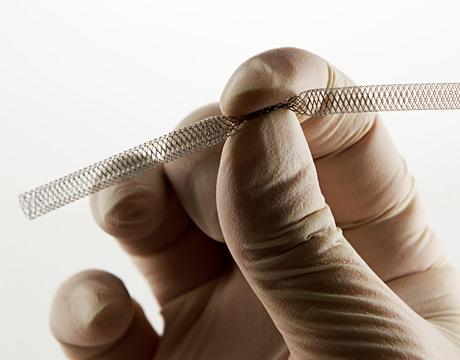
In the global medical device industry, precision is not just a requirement—it is a necessity. Medical-grade Nitinol wire, known for its superelasticity and shape memory effect, plays a critical role in minimally invasive devices such as stents, guidewires, orthodontic archwires, and surgical instruments.
One of the most challenging yet essential specifications for buyers is tight dimensional tolerance, especially when the requirement reaches ±0.01mm. This level of precision directly impacts device performance, fatigue life, and patient safety.
What is Medical Grade Nitinol Wire?
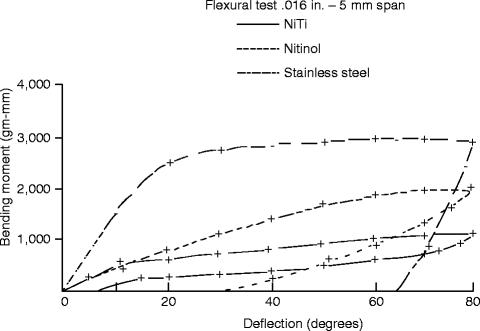
Nitinol is a nickel-titanium alloy typically composed of approximately 55% nickel and 45% titanium. It is widely used in medical applications due to:
-
Superelastic behavior
-
Shape memory effect
-
Excellent biocompatibility
-
Corrosion resistance
Medical-grade Nitinol must comply with standards such as ASTM F2063 and ISO 13485 manufacturing requirements.
Core Technologies for Achieving ±0.01mm Tolerance
1. Vacuum Melting Technology (VIM + VAR)
High-purity raw material is the foundation of precision.
This process ensures uniform composition and eliminates impurities.
2. Precision Wire Drawing Process
Drawing is the most critical step in diameter control.
DLX uses multi-pass drawing with ultra-precision dies to gradually reduce diameter while maintaining consistency.
3. Laser Diameter Measurement System
Real-time monitoring ensures every meter of wire meets tolerance requirements.
-
Micron-level accuracy
-
Continuous inspection
-
Automatic adjustment
4. Surface Finishing & Polishing
Surface quality directly affects tolerance and performance.
-
Smooth surface
-
Reduced micro-defects
-
Enhanced fatigue life
Applications of High-Precision Medical Nitinol Wire
Medical-grade Nitinol wire with ±0.01mm tolerance is widely used in:
-
Cardiovascular stents & guidewires
-
Orthodontic archwires
-
Surgical instruments
-
Neurological micro-devices
Technical Specification Table
| Parameter | Specification |
|---|---|
| Material | NiTi (Nitinol) |
| Standard | ASTM F2063 |
| Diameter Range | 0.02mm – 6.00mm |
| Tolerance | ±0.01mm |
| Surface | Bright / Oxide / Polished |
| Condition | Annealed / Superelastic |
| Process | VIM + VAR |
Industry Trends
The demand for ultra-precision Nitinol wire is increasing due to:
-
Minimally invasive surgery growth
-
Aging population
-
Micro-device development
-
High-end medical manufacturing
Why DLX Alloy?
DLX Alloy provides:
-
Stable ±0.01mm tolerance
-
Advanced equipment
-
Strict QC system
-
Global export experience
-
OEM customization
FAQ
What tolerance can you achieve?
±0.01mm for high-precision applications.
Do you support medical certification?
Yes, ISO 13485 and ASTM compliance.
What is your minimum size?
As low as 0.02mm.
Can you customize properties?
Yes, including superelastic and shape memory settings.
Conclusion
Achieving ±0.01mm tolerance in medical-grade Nitinol wire requires advanced technology and strict quality control. DLX Alloy combines both to deliver reliable solutions for global medical manufacturers.