Nitinol Wire vs Stainless Steel Wire for Medical Applications: Key Differences and Selection Guide
In the medical industry, material selection is not just a technical decision—it directly impacts patient safety, device performance, and long-term reliability. Among the most widely used materials for medical wires are Nitinol (Nickel Titanium alloy) and stainless steel.
Both materials have been extensively used in applications such as surgical instruments, orthopedic implants, cardiovascular devices, and orthodontic wires. However, their performance characteristics differ significantly, making each suitable for specific use cases.
At DLX Alloy, as a global supplier of high-performance alloy materials, we work closely with medical device manufacturers to provide both Nitinol wire and stainless steel wire tailored to precise application requirements. Based on our experience, understanding the differences between these two materials is critical for making the right choice.
1. What is Nitinol Wire?
Shape memory effect
Superelasticity
This means the material can return to its original shape after deformation, either through temperature change or unloading of stress.
Key Characteristics of Nitinol
Excellent flexibility and elasticity
High fatigue resistance
Biocompatibility
Corrosion resistance
Ability to undergo large deformation without permanent damage
These features make Nitinol especially valuable in minimally invasive medical devices.
2. What is Stainless Steel Medical Wire?
Key Characteristics of Stainless Steel
High strength and rigidity
Good corrosion resistance
Cost-effective
Easy to process and weld
Stable mechanical properties
Although it lacks the advanced properties of Nitinol, stainless steel remains widely used due to its reliability and affordability.
3. Core Differences Between Nitinol and Stainless Steel Wire
3.1 Mechanical Properties
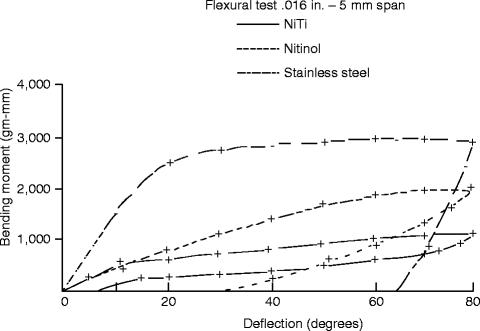
Nitinol is significantly more flexible than stainless steel. It can undergo large strains and still recover its original shape, while stainless steel will deform permanently once its elastic limit is exceeded.
This makes Nitinol ideal for applications requiring repeated deformation, such as stents or guidewires.
3.2 Shape Memory and Superelasticity
This is where Nitinol stands out completely.
Nitinol: Can “remember” its shape
Stainless steel: No shape memory capability
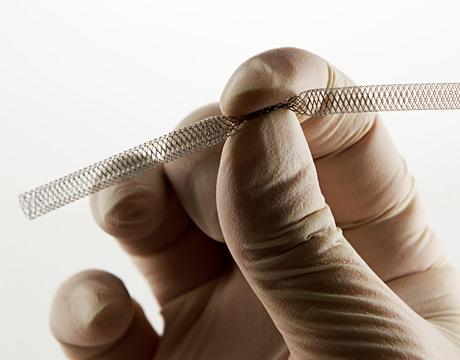
In medical applications like vascular stents, this property allows devices to be inserted in a compact form and then expand inside the body.
3.3 Fatigue Resistance
Nitinol has superior fatigue resistance compared to stainless steel.
In dynamic environments such as cardiovascular systems, materials are subjected to continuous cyclic loading. Nitinol performs much better in these conditions, reducing the risk of failure.
3.4 Biocompatibility
Both materials are biocompatible, but:
Nitinol requires strict surface treatment to control nickel release
Stainless steel (especially 316L) is more stable in this regard
Proper processing is critical when using Nitinol in implantable devices.
3.5 Corrosion Resistance
Both materials offer good corrosion resistance, but Nitinol performs better in certain physiological environments due to its titanium oxide layer.
3.6 Cost Consideration
Nitinol: Higher cost due to complex processing
Stainless steel: More economical and widely available
For cost-sensitive applications, stainless steel is often preferred.
4. Application Comparison
4.1 Cardiovascular Devices
Typical uses:
Stents
Guidewires
Catheters
Stainless steel is used in some older or cost-sensitive designs but is gradually being replaced.
4.2 Orthodontics
Nitinol: Provides continuous gentle force, improving patient comfort
Stainless steel: Used in later stages for precise control
Both materials are often used together in treatment.
4.3 Surgical Instruments
Stainless steel remains dominant due to:
High rigidity
Ease of sterilization
Lower cost
Nitinol is used where flexibility is required, such as minimally invasive tools.
4.4 Orthopedic Applications
Stainless steel: Fixation wires, implants
Nitinol: Advanced implants requiring flexibility or shape memory
5. How to Choose the Right Material
Choosing between Nitinol and stainless steel depends on several factors:
Choose Nitinol When:
High flexibility is required
The device undergoes repeated deformation
Shape memory or superelasticity is needed
Long-term fatigue resistance is critical
Choose Stainless Steel When:
High strength and rigidity are needed
Cost is a major concern
The application is static
Simpler manufacturing is preferred
6. Industry Trends
The medical materials industry is evolving rapidly:
Increasing demand for minimally invasive devices
Growth in cardiovascular treatments
Rising use of advanced alloys like Nitinol
Continued demand for cost-effective materials like stainless steel
Nitinol is seeing strong growth, especially in high-end medical devices, while stainless steel remains indispensable for standard applications.
7. Why DLX Alloy
DLX Alloy supplies both Nitinol wire and stainless steel medical wire to global customers.
Our advantages include:
Strict control of chemical composition
Precision wire diameter tolerance
Customizable surface treatment
Support for medical-grade requirements
We understand that in medical applications, consistency and reliability are critical—not optional.
Conclusion
Nitinol wire and stainless steel wire each have their own strengths and limitations. Nitinol offers advanced properties such as shape memory and superelasticity, making it ideal for high-performance medical devices. Stainless steel, on the other hand, provides a cost-effective and reliable solution for many standard applications.
Instead of asking which material is better, the real question is: which material is better for your specific application?
With the right understanding and proper supplier support from DLX Alloy, manufacturers can make informed decisions and achieve optimal performance in their medical devices.