Advanced Metallic Solutions for 2026: A Deep Dive into High-Purity Nickel, Titanium Alloy s, and Medical Grade Stainless Steel
Publication Date: May 4, 2026
As we navigate the complexities of the industrial landscape in 2026, the demand for precision-engineered materials has reached an unprecedented peak. Industries ranging from neuro-technology to deep-sea energy exploration are no longer satisfied with "standard" grade materials. The focus has shifted toward high-purity nickel, advanced titanium alloys, and vacuum-melted medical stainless steels that offer superior biocompatibility, fatigue resistance, and chemical stability. This comprehensive analysis explores the metallurgical foundations and industrial trajectories of these critical materials, providing a roadmap for engineers and procurement specialists at DLX Metals and beyond.
The Evolution of Material Standards in 2026
In 2026, the global supply chain for high-performance metals is defined by three major pillars: extreme purity, verifiable traceability, and sustainability. The integration of solid-state battery technology and the miniaturization of robotic surgical tools have forced a re-evaluation of traditional material limits. High-purity nickel (Ni200/Ni201), Titanium (Grade 2/5), and Medical Grade Stainless Steel (316LVM/304V) stand at the forefront of this revolution.
Material Analysis: High-Purity Nickel Ni200 and Ni201
Nickel remains a cornerstone of the modern chemical and electronics industries. In 2026, the distinction between Ni200 (UNS N02200) and Ni201 (UNS N02201) is more critical than ever, particularly for applications involving high-temperature caustic environments.
Nickel 200 : The Standard for Caustic Resistance
Ni200 is a commercially pure (99.6%) wrought nickel that exhibits excellent mechanical properties and resistance to many corrosive environments. Its primary advantage lies in its resistance to caustic alkalis at various concentrations and temperatures. In 2026, we see its extensive use in battery interconnects for high-capacity energy storage systems, where low electrical resistivity is paramount.
Nickel 201 : The High-Temperature Alternative
The primary difference between Ni200 and Ni201 is the carbon content. Ni201 is the low-carbon version (0.02% max) of Ni200. This modification prevents embrittlement by intergranular carbon at temperatures above 315°C (600°F). For the chemical processing plants of 2026, which operate at increasingly higher thermal efficiencies, Ni201 is the mandatory choice for pressure vessels and piping components.
| Property | Nickel 200 (Ni200) | Nickel 201 (Ni201) |
|---|---|---|
| Nickel (Ni) % | 99.0 min | 99.0 min |
| Carbon (C) % | 0.15 max | 0.02 max |
| Tensile Strength (MPa) | 462 | 403 |
| Yield Strength (0.2% Offset, MPa) | 148 | 103 |
| Thermal Conductivity (W/m·K) | 70.2 | 79.3 |
Material Analysis: Titanium Grade 2 and Grade 5
Titanium’s role in 2026 is dominated by the need for high strength-to-weight ratios and exceptional corrosion resistance. Titanium Grade 2 (Commercially Pure) and Titanium Grade 5 (Ti-6Al-4V) remain the industry workhorses, though their processing methods have evolved significantly.
Titanium Grade 2: The Corrosion Specialist
Grade 2 titanium is known for its excellent weldability and ductility. In 2026, it is the material of choice for desalination plants and heat exchangers. Its ability to form a stable, protective oxide layer instantaneously upon exposure to oxygen makes it virtually immune to seawater corrosion, a vital trait as global water scarcity drives the expansion of maritime infrastructure.
Titanium Grade 5: The Aerospace and Medical Powerhouse
Grade 5 titanium is an alpha-beta alloy containing 6% aluminum and 4% vanadium. It is significantly stronger than commercially pure titanium while retaining the same stiffness and thermal properties. In 2026, Grade 5 is being used in the next generation of orthopedic implants and aerospace structural components, where weight reduction directly correlates with fuel efficiency and patient mobility.
| Technical Parameter | Titanium Grade 2 | Titanium Grade 5 (Ti-6Al-4V) |
|---|---|---|
| Density (g/cm³) | 4.51 | 4.43 |
| Tensile Strength (min, MPa) | 345 | 895 |
| Modulus of Elasticity (GPa) | 103 | 114 |
| Biocompatibility Rating | Exceptional | Excellent |
| Primary Use Case | Chemical/Marine | Aerospace/Medical |
Material Analysis: Medical Grade Stainless Steel 316LVM and 304V
Medical technology in 2026 demands metals that are not just "clean" but "ultra-clean." Stainless Steel 316LVM and 304V are the results of vacuum melting processes that eliminate non-metallic inclusions, ensuring high fatigue strength and a mirror-like finish for surgical instruments.
316LVM (UNS S31673): The Implant Standard
The "VM" stands for Vacuum Melted. This material is a low-carbon, high-nickel, and molybdenum version of 316 stainless steel. In 2026, 316LVM is the gold standard for permanent implants such as bone screws, plates, and intramedullary pins. The vacuum melting process (VAR - Vacuum Arc Remelting) ensures a more uniform chemistry and minimal impurities, which is essential for preventing localized corrosion in the human body.
304V (UNS S30400 VAR): Precision for Surgical Tools
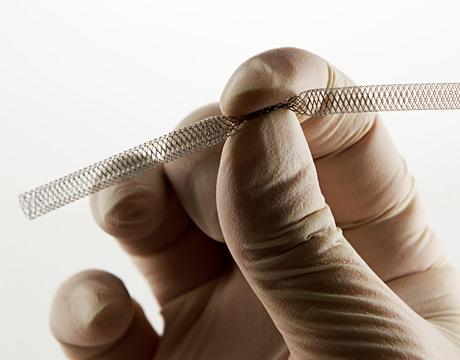
Similar to 316LVM, 304V undergoes vacuum arc remelting to achieve high levels of cleanliness. It is primarily used for medical wires, mandrels, and surgical needles. In 2026, the rise of minimally invasive surgery has increased the demand for 304V due to its exceptional drawability and ability to maintain sharp edges at microscopic scales.
| Element/Property | Medical SS 316LVM | Medical SS 304V |
|---|---|---|
| Chromium (Cr) % | 17.0 - 19.0 | 18.0 - 20.0 |
| Nickel (Ni) % | 13.0 - 15.0 | 8.0 - 10.5 |
| Molybdenum (Mo) % | 2.25 - 3.0 | - |
| Melting Process | VAR (Vacuum Arc) | VAR (Vacuum Arc) |
| Fatigue Resistance | High | Moderate-High |
Industrial Applications in 2026
The synergy between these advanced metals and modern engineering has opened new frontiers in industrial applications:
Medical Implants & Surgical Tools: The use of 316LVM and Titanium Grade 5 in 2026 is ubiquitous. New "smart implants" featuring embedded sensors rely on the biocompatibility of these metals to avoid immune rejection while maintaining structural integrity over decades.
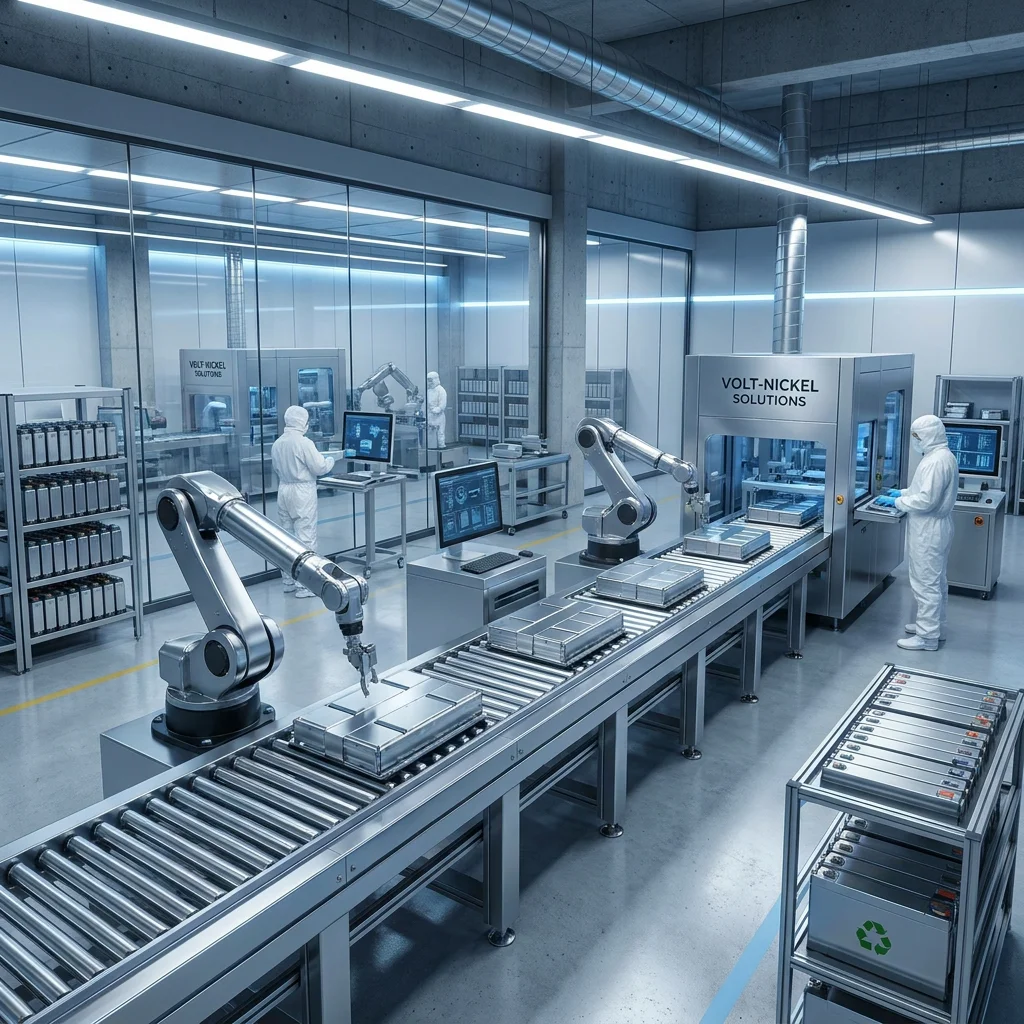
Battery Interconnects & Energy Storage: High-purity Nickel (Ni200) is essential for the ultrasonic welding of battery tabs in 2026's solid-state battery packs. Its low resistance minimizes heat generation, extending battery life and safety.
Chemical & Petrochemical Processing: Ni201 and Titanium Grade 2 are critical for the production of hydrogen fuel and the processing of corrosive biochemicals. These metals withstand the aggressive environments of 2026’s green energy refineries.
Neuro-Technology: Ultra-fine wires made of 304V and Titanium Grade 5 are being used in brain-computer interfaces (BCIs), requiring absolute material consistency to ensure electrical signal precision.
2026 Industry Trends: Biocompatibility and Miniaturization
Two primary trends are shaping the metal industry in 2026:
1. Enhanced Biocompatibility Requirements: Regulatory bodies (such as the updated ISO 10993 standards of 2025) now require even stricter limits on trace elements like lead and cadmium in medical alloys. This has made the vacuum melting processes used for 316LVM and 304V non-negotiable for medical device manufacturers.
2. Extreme Miniaturization: As medical devices shrink to the size of a grain of rice, the grain structure of the metal becomes a limiting factor. DLX Metals has responded by providing ultra-fine grain alloys that allow for precision machining and micro-forming without compromising the material’s mechanical strength.
Customer Pain Points and Technical Solutions
In the high-stakes B2B metal market of 2026, several recurring pain points challenge procurement and engineering teams:
Pain Point 1: Material Purity and Inclusion Failures
Standard grade metals often contain non-metallic inclusions that can cause catastrophic failure during high-cycle fatigue or micro-machining.The DLX Solution: We specialize in Vacuum Arc Remelted (VAR) and Electroslag Remelted (ESR) materials. Our 316LVM and 304V stocks are verified through ultrasonic testing and micro-cleanliness audits to ensure zero inclusions.
Pain Point 2: Supply Chain Lead Times and Stock Availability
The 2026 market is volatile, with lead times for specialized alloys often exceeding 40 weeks.The DLX Solution: As a leading Chinese exporter with strategic stockpiles in Shanghai and Ningbo, DLX Metals maintains a consistent inventory of Ni200, Ti Grade 5, and medical steels, reducing lead times from months to weeks.
Pain Point 3: Biocompatibility Compliance and Documentation
Navigating the complex documentation required for medical grade certification can delay product launches.The DLX Solution: Every shipment from DLX Metals includes full MTRs (Mill Test Reports) and certification to ASTM F138, F67, and F136 standards, ensuring seamless integration into your Quality Management System (QMS).
FAQ: Technical Insights for 2026
Q1: Why is Nickel 201 preferred over Nickel 200 for thermal applications?
A: Nickel 201 has a significantly lower carbon content (max 0.02%), which prevents the formation of intergranular graphite at temperatures above 315°C. This ensures the metal remains ductile and resistant to cracking in high-heat caustic environments.
Q2: What makes Titanium Grade 5 the "standard" for orthopedic implants?
A: Its unique combination of high tensile strength (895 MPa), low density, and excellent biocompatibility allows for the creation of implants that are strong enough to support human weight but light enough to prevent patient discomfort.
Q3: Can 316LVM be used for permanent implants?
A: Yes, 316LVM is specifically designed for permanent implants. Its vacuum-melted purity and high molybdenum content provide exceptional resistance to pitting and crevice corrosion within the saline environment of the human body.
Q4: What are the electrical advantages of Ni200 in battery technology?
A: Ni200 has a very low electrical resistivity (approx. 9.5 microhm-cm). In 2026's high-current battery systems, this low resistance is vital for reducing power loss and preventing heat buildup during rapid charging cycles.
Q5: How does DLX Metals ensure the traceability of its titanium alloys?
A: We implement a blockchain-based traceability system that tracks the material from the initial melt at the mill to the final delivery, providing customers with a tamper-proof record of chemical composition and processing history.
Q6: Is 304V suitable for precision spring applications?
A: Absolutely. The vacuum remelting of 304V results in a very uniform grain structure, which provides the consistent elastic modulus and fatigue life required for high-precision medical springs and guide wires.
Contact Our Technical Team at DLX Metals
As a leading Chinese exporter and technical authority in advanced metallic solutions, DLX Metals is dedicated to solving the most complex material challenges of 2026. Whether you require high-purity Nickel for energy storage, Titanium for aerospace components, or ultra-clean Stainless Steel for medical devices, our engineering team is ready to provide the expertise and supply chain reliability your project demands.
DLX Metals: Your Partner in Precision and Purity.
Specializing in: Ni200, Ni201, Ti Grade 2, Ti Grade 5, 316LVM, 304V.
Certifications: ISO 9001:2025, AS9100, ISO 13485.
Location: Shanghai, China | Global Export Services.
Reach out today for a technical consultation or a competitive quotation on your 2026 material requirements.