The 2026 Technical Guide to Advanced Metals: Titanium Alloy s, Pure Nickel, and Medical-Grade Stainless Steel
As we navigate the industrial landscape of May 2026, the demand for high-performance materials has reached unprecedented levels. Modern engineering challenges—from deep-sea exploration and aerospace innovation to life-saving medical implants—require metals that offer a unique combination of strength, biocompatibility, and extreme corrosion resistance. Three material groups stand at the forefront of this technological revolution: Titanium Alloys, Pure Nickel, and Medical-Grade Stainless Steel. This comprehensive technical guide explores the metallurgical properties, global standards, and critical applications of these advanced metals, providing engineers and procurement specialists with the insights needed to select the right materials for their most demanding projects.
1. Titanium Alloys: The Peak of Performance in 2026
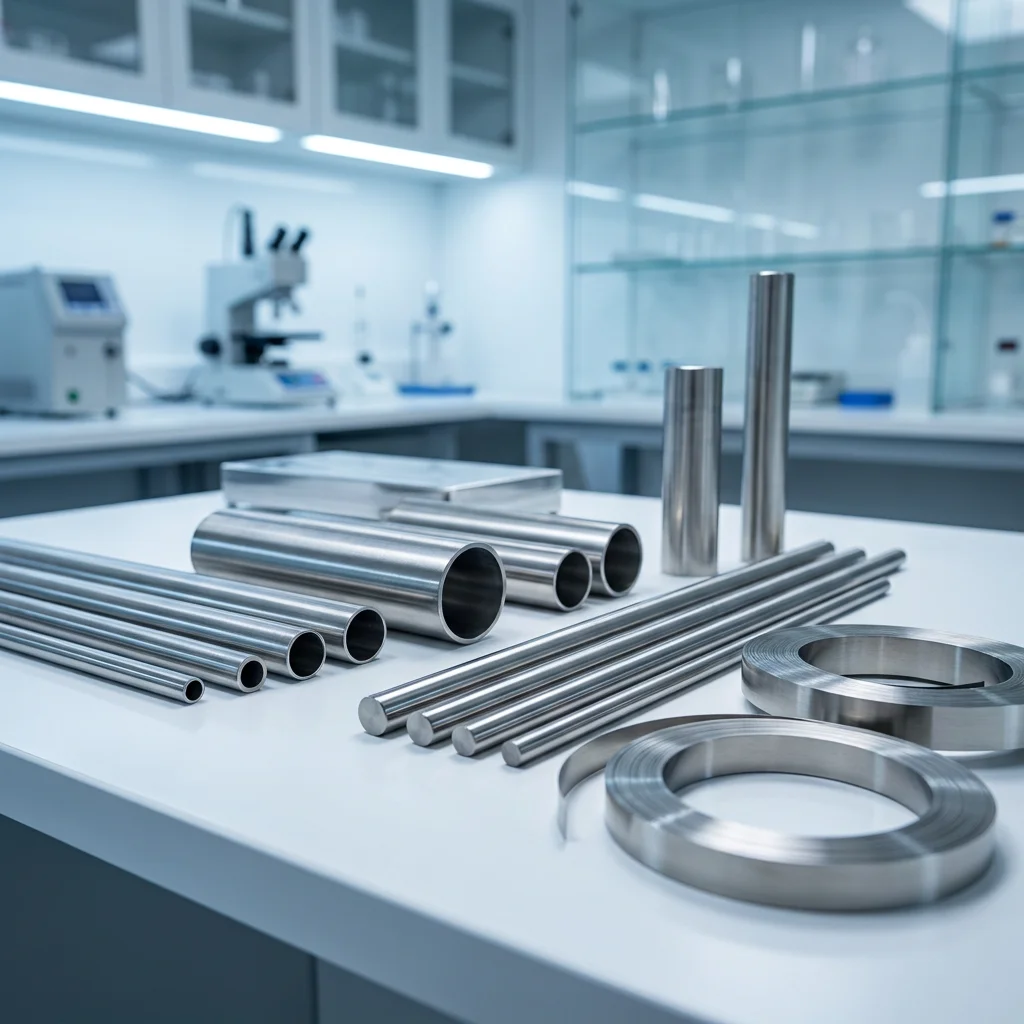
Titanium remains the "space-age" metal of choice in 2026, prized for its exceptional strength-to-weight ratio and immunity to many corrosive environments. In the global B2B market, Grade 2 and Grade 5 are the dominant series, each serving distinct technical requirements. The ability to manipulate the alpha and beta phases of titanium allows metallurgists to tailor properties for specific stress environments.
Titanium Grade 2 (CP-Ti)
Commercially Pure Grade 2 titanium is the workhorse of the chemical processing and desalination industries. It offers excellent weldability and ductility while providing outstanding resistance to oxidizing environments and seawater. In 2026, its use has expanded into high-end architectural elements and renewable energy systems, where its natural oxide layer provides both protection and aesthetic appeal without the need for toxic coatings.
Titanium Grade 5 (Ti-6Al-4V)
As an alpha-beta alloy, Grade 5 titanium is significantly stronger than commercially pure grades while maintaining the same stiffness and thermal properties. It is the gold standard for aerospace engine components, pressure vessels, and high-performance automotive parts. The 2026 manufacturing sector has seen a surge in Grade 23 (ELI - Extra Low Interstitials), which is a higher-purity version of Ti-6Al-4V specifically designed for medical implants due to its superior damage tolerance and toughness.
| Titanium Grade | Composition | Tensile Strength (MPa) | Primary Benefit |
|---|---|---|---|
| Grade 2 | Commercially Pure | 345 - 480 | Maximum corrosion resistance |
| Grade 5 | Ti-6Al-4V | 895 - 1000 | Superior strength-to-weight |
| Grade 23 (ELI) | Ti-6Al-4V ELI | 860 - 930 | Enhanced medical biocompatibility |
| Grade 7 | Ti + Pd | 345 - 480 | Exceptional acid resistance |
2. Pure Nickel (Ni 200/201): Resilience in Extreme Environments
Pure Nickel alloys, specifically Nickel 200 and Nickel 201 , are indispensable in 2026's chemical and electronics industries. Their primary value lies in their resistance to caustic alkalis and their excellent electrical and thermal conductivity. While many nickel-based superalloys are designed for complex stress, pure nickel is chosen for its specific chemical stability.
Nickel 200 (UNS N02200)
Nickel 200 is commercially pure (99.6%) wrought nickel. It has good mechanical properties and excellent resistance to many corrosive environments. In 2026, it is heavily used in the production of food processing equipment and synthetic fibers, where maintaining product purity is paramount. Its ferromagnetic properties also make it useful in certain electronic and magnetostrictive applications.
Nickel 201 (UNS N02201)
Nickel 201 is the low-carbon version of Nickel 200. This modification is critical for applications involving temperatures above 315°C (600°F). High carbon content in Nickel 200 can lead to the formation of intergranular graphite at high temperatures, which embrittles the metal. Nickel 201 avoids this, making it the preferred material for caustic soda evaporators and chemical reactors operating at high temperatures in 2026's industrial plants.
| Alloy Grade | Carbon Content | Max Service Temp | Technical Application |
|---|---|---|---|
| Nickel 200 | Max 0.15% | Up to 315°C | Food processing, Electronic parts |
| Nickel 201 | Max 0.02% | Above 315°C | Caustic soda evaporators |
| Ni 270 | Ultra-Pure | Variable | Hydrogen production, Research |
3. Medical-Grade Stainless Steel: Safety, Precision, and Purity
The medical technology sector of 2026 relies on ultra-clean stainless steels to ensure patient safety and device longevity. These materials must meet strict international standards for chemical purity and mechanical consistency to be used as permanent or temporary implants.
316LVM (ASTM F138)
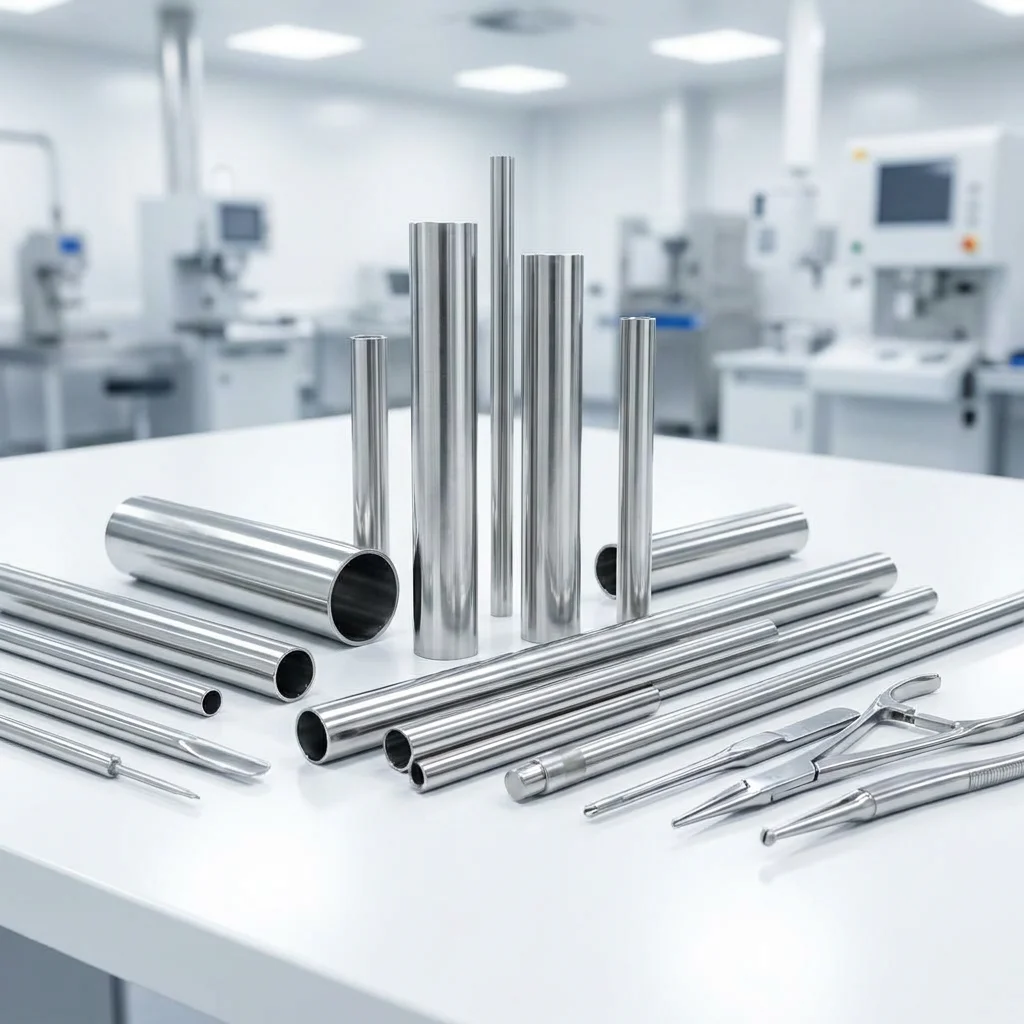
316LVM is a vacuum-melted version of 316L stainless steel. The vacuum melting process (VAR - Vacuum Arc Remelting) removes non-metallic inclusions, resulting in a metal with exceptional micro-cleanliness. This is vital for permanent implants like orthopedic screws, plates, and stents, where even a microscopic impurity could lead to pitting corrosion or adverse biological reactions in the patient. In 2026, it remains the primary stainless steel for high-load orthopedic applications.
304V (ASTM F899)
Similar to 316LVM, 304V is vacuum-melted to provide a clean, consistent material. It is frequently used for surgical instruments, guide wires, and spring-loaded medical devices. In 2026, its high ductility and tensile strength allow for the creation of increasingly complex minimally invasive surgical tools that require precise mechanical feedback for the surgeon.
4. Global Standards and Compliance in 2026
In the global B2B metals trade of 2026, compliance with international standards is non-negotiable. Materials must be accompanied by comprehensive Mill Test Reports (MTRs) and certifications. Key standards include:
ASTM F136/F138: Governing the standards for medical-grade titanium and stainless steel.
ISO 13485: Quality management systems for medical device manufacturing.
ASME Section II: Defining materials used in pressure vessels and critical industrial equipment.
NACE MR0175: Standards for materials used in sour oil and gas environments.
5. Technical Selection: Navigating Material Trade-offs
Choosing between Titanium, Nickel, and Stainless Steel in 2026 involves a detailed analysis of the operating environment. While Titanium offers the best weight-to-strength ratio, Stainless Steel is often more cost-effective for non-weight-sensitive applications. Pure Nickel is unmatched in specific caustic environments but cannot match the mechanical strength of titanium alloys.
Factors for 2026 procurement teams:
Corrosion Mechanism: Is it general corrosion, pitting, or stress-corrosion cracking?
Operating Temperature: Does the material need to remain ductile at cryogenic temperatures or strong at high heat?
Biocompatibility: For medical devices, the material must not release toxic ions over time.
Recyclability: In 2026, the environmental footprint of the supply chain is a key KPI for many global enterprises.
6. The Future of Advanced Metals: Looking Toward 2027
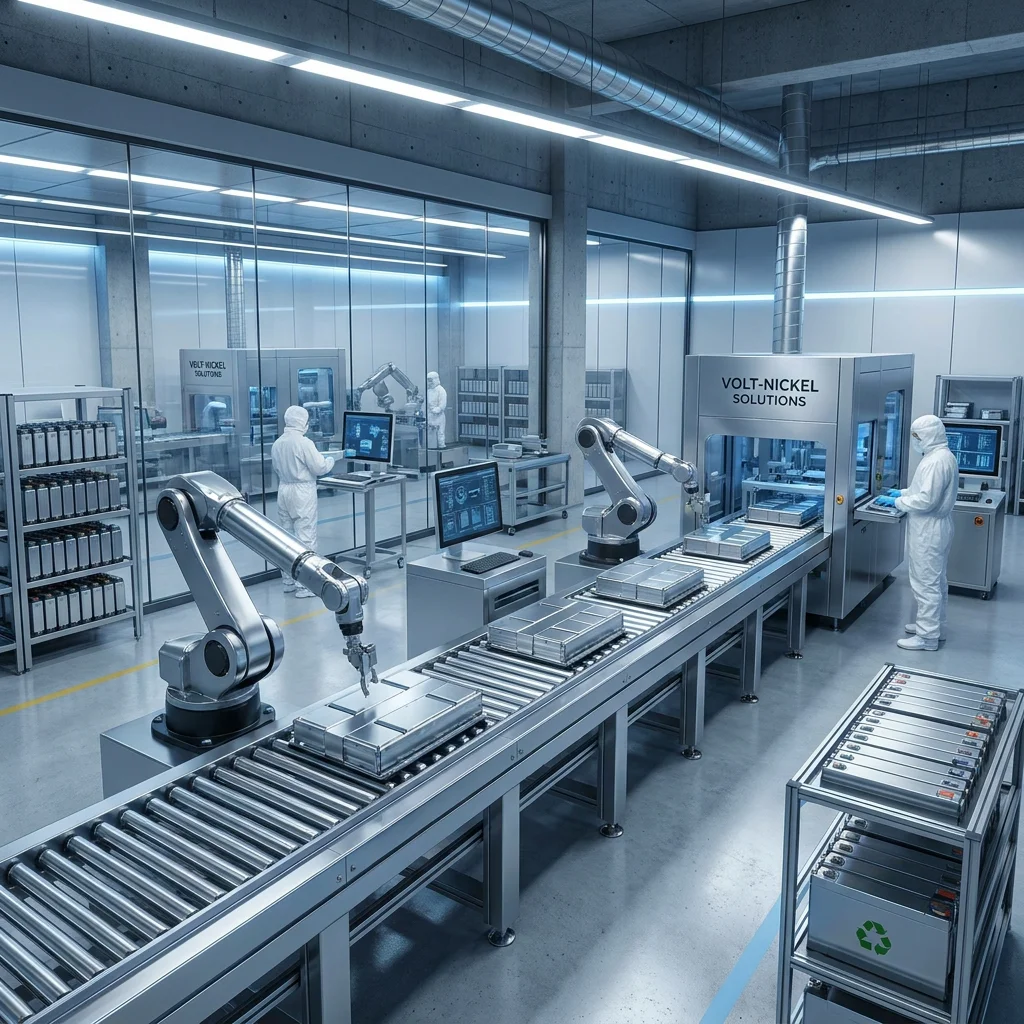
The next phase of metallurgy involves the integration of Additive Manufacturing (3D Printing) with these high-performance alloys. Titanium powders are already becoming the standard for custom orthopedic implants, allowing for porous structures that promote bone ingrowth. Pure nickel is also seeing renewed interest as a key component in the next generation of high-capacity solid-state batteries. As we move beyond 2026, the focus will shift toward "Sustainable Metallurgy," focusing on the carbon-neutral production of these high-value metals.
7. FAQ: Technical Insights for Advanced Metals in 2026
Q1: Is Titanium Grade 5 suitable for seawater applications?
A: Yes, while Grade 2 is generally preferred for its absolute corrosion resistance in seawater, Grade 5 offers excellent resistance alongside much higher strength. It is commonly used for high-pressure subsea components in 2026.
Q2: What makes 316LVM "Medical Grade" compared to standard 316L?
A: The "VM" stands for Vacuum Melted. This process results in a much lower level of impurities and non-metallic inclusions, which is critical for preventing pitting and ensuring biocompatibility inside the human body.
Q3: When should I choose Nickel 201 over Nickel 200?
A: Always choose Nickel 201 if your application involves temperatures above 315°C (600°F). The lower carbon content prevents graphitization, which would otherwise lead to the metal becoming brittle and failing.
Q4: How does DLX Metals ensure the surface quality of medical wires?
A: We use precision diamond-drawing dies and multi-stage cleaning processes to ensure a defect-free finish. In 2026, every millimeter of wire is inspected using laser micrometry and eddy-current testing.
Conclusion: Your Strategic Partner in Advanced Metallurgy
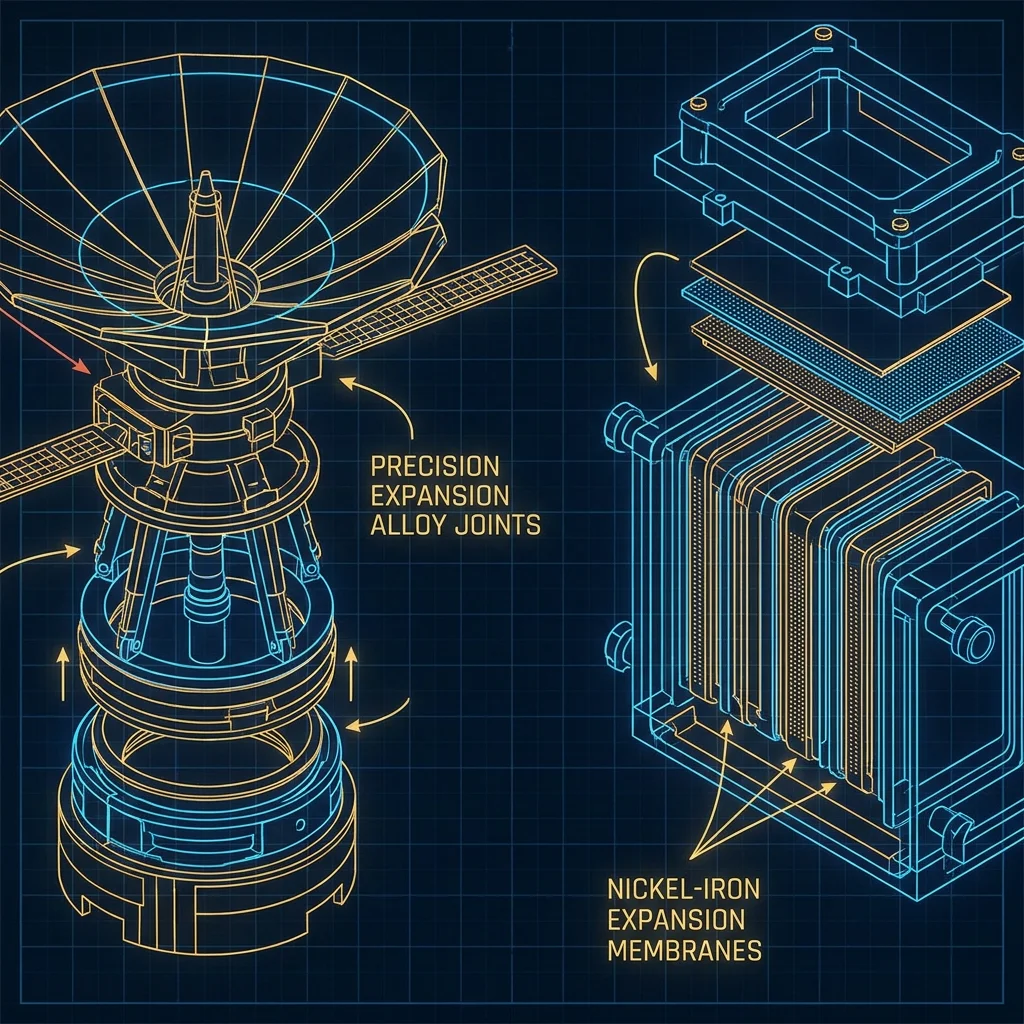
Selecting the right metal in 2026 is a decision that impacts the safety, efficiency, and commercial success of your project. Whether you are engineering a satellite, a chemical reactor, or a revolutionary medical implant, the material is the foundation. DLX Metals is dedicated to providing the highest quality Titanium, Pure Nickel, and Medical Stainless Steel to our global partners. Our commitment to technical excellence, rigid quality control, and supply chain reliability makes us the preferred choice for B2B procurement in the modern era.
For detailed technical consultations, custom material specifications, or a comprehensive quotation for your 2026 project requirements, please reach out to our engineering team. We are ready to help you push the boundaries of what is possible with advanced metallurgy.
Contact us via the website inquiry form for professional support and a competitive quotation.
Publication Date: May 18, 2026
Author: DLX Metals Technical Division